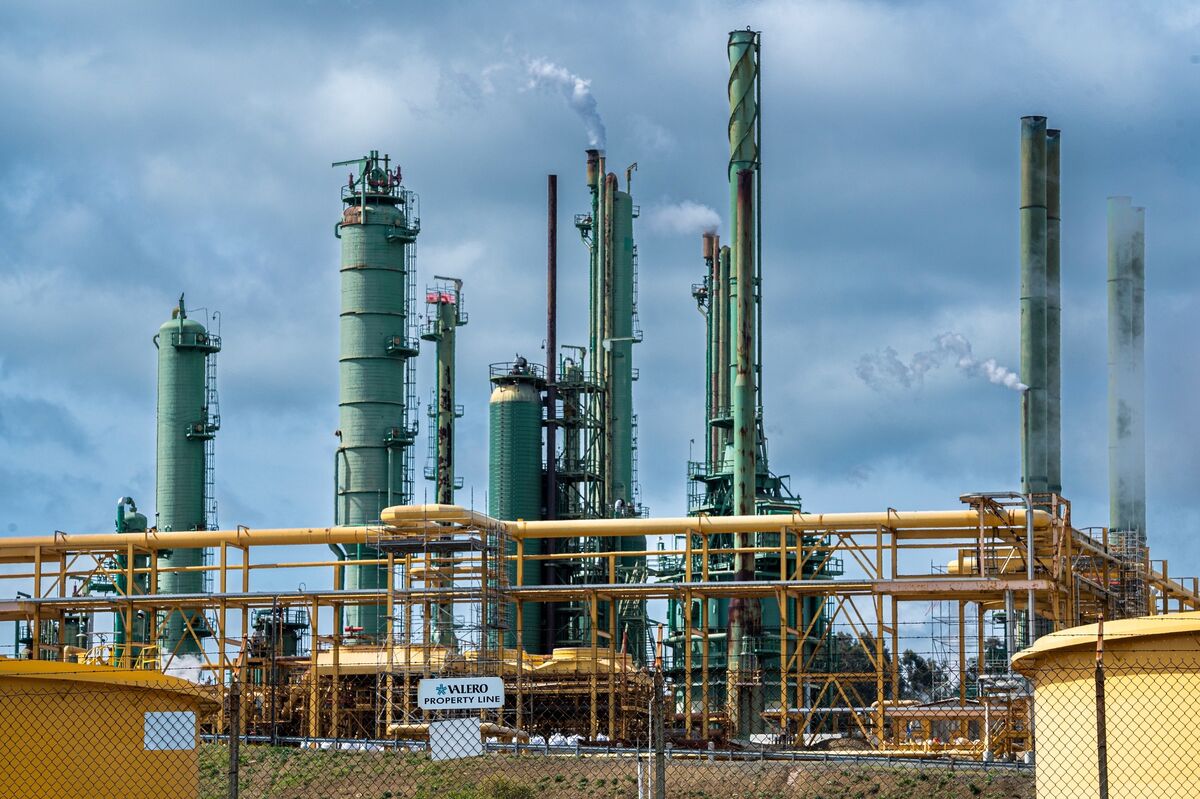
Valero Energy Corp. has confirmed it will begin laying off hundreds of workers as it moves forward with plans to shut down its Benicia Refinery in Northern California. The San Antonio-based energy company informed local and state officials that 237 of the refinery’s 348 employees will be laid off between March 15 and July 1, 2026. This decision marks a significant shift from the company’s initial plan to restructure or idle operations, bringing uncertainty to the local workforce and the region’s fuel supply.
A Shift in Plans
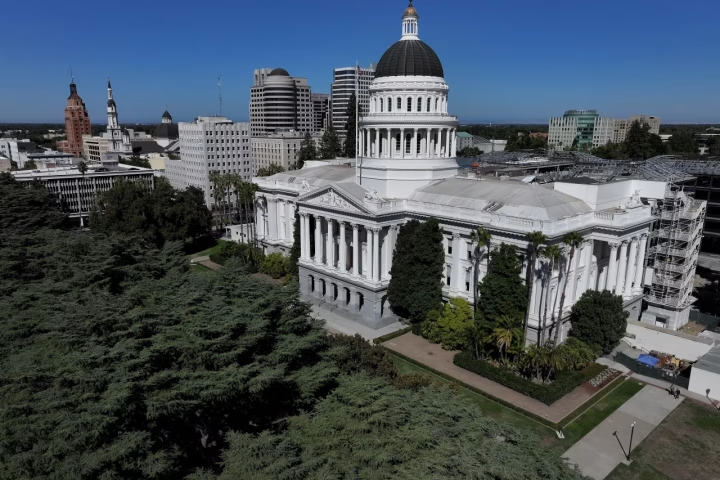
Originally, Valero planned to cease refining operations by April 2026. However, after receiving a record fine for toxic emissions in 2025, the company revised its approach. Under the updated plan, Valero will continue to produce gasoline at the Benicia refinery until April 2026, while increasing gasoline imports to the region. This shift is intended to manage the refinery shutdown without disrupting fuel supplies or increasing gas prices in Northern California, as confirmed by Gov. Gavin Newsom’s office.
The Economic Impact
The shutdown of the Benicia Refinery will have profound consequences for the local community. The city of Benicia is expected to lose significant revenue as a result of the refinery’s downsizing. City officials have warned that they may need to cut $7.7 million from the city budget due to the loss of tax revenue. Additionally, this closure is part of a larger trend of declining local industry, which has been marked by shrinking job opportunities and economic instability.
Challenges for Local Newsrooms
Valero refinery layoffs,The impact of such corporate decisions extends beyond local governments and workers. As businesses like Valero restructure or close down, communities lose both jobs and key services, including local journalism. This ongoing trend poses a broader question about the future of local economies and the role of large corporations in maintaining community stability.
Looking Ahead
Valero refinery layoffs,While Valero’s decision may offer short-term solutions to gasoline supply issues, the long-term effects on the local economy are still unfolding. The refinery’s shutdown will likely have lasting consequences for local employees and businesses dependent on its operations. However, efforts to maintain fuel supply through imports will play a crucial role in stabilizing the region’s gas prices and economic activity during this transition.
Valero’s layoffs and refinery closure reflect a larger trend in the energy sector, where companies are making difficult decisions to adapt to environmental pressures and market changes. As the Benicia Refinery ceases operations, both the local economy and the energy landscape of Northern California will face significant challenges in the coming months.