California has long been a leader in the development and regulation of autonomous vehicles (AVs). As self-driving technology continues to evolve, the state is adapting its laws and regulations to ensure safety, innovation, and public trust in these groundbreaking technologies. From expanded testing requirements to new safety protocols, California’s autonomous vehicle laws are undergoing significant changes to keep pace with advancements in AI, machine learning, and vehicle automation.
This article explores the key changes in California’s autonomous vehicle laws and what they mean for the future of self-driving cars, testing, and regulations in the state.
The Growing Role of Autonomous Vehicles in California
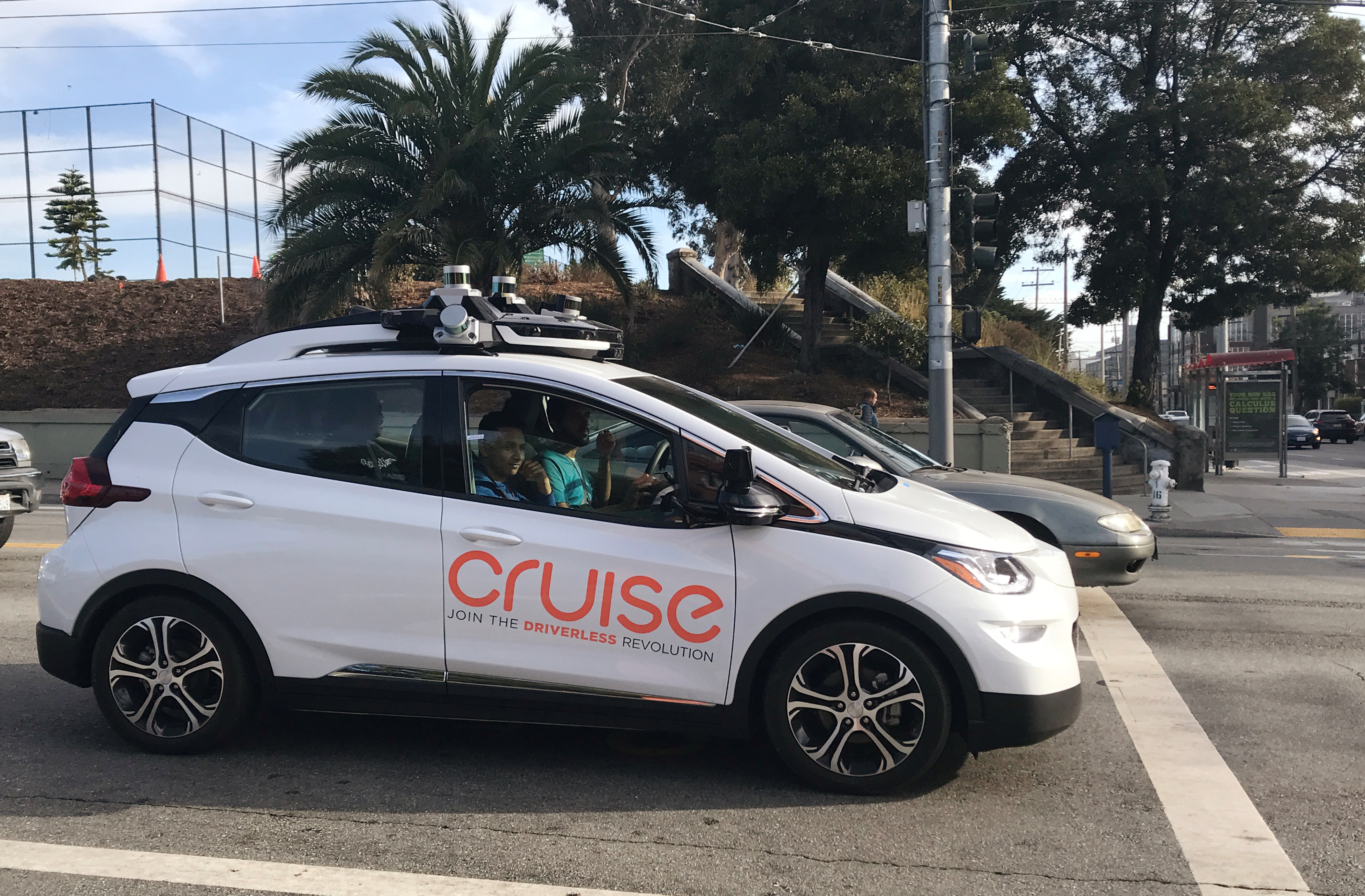
California is home to Silicon Valley, the global hub for tech innovation, which includes the development of autonomous vehicle technology. Companies like Waymo, Tesla, Cruise, and others are at the forefront of autonomous vehicle (AV) testing and deployment. These companies, along with new startups, have conducted extensive research and real-world testing in California, making the state the focal point for AV development in the U.S.
As of 2026, California’s Department of Motor Vehicles (DMV) reports that more than 50 companies are testing autonomous vehicles in the state, and many of them are exploring the potential of fully autonomous ridesharing and delivery services. With the rapid progress of AV technologies, California’s regulations have had to evolve to ensure they are safe, inclusive, and capable of addressing emerging concerns.
1. Expanded Testing and Deployment Guidelines
California’s autonomous vehicle testing laws have undergone significant updates to accommodate the growth of self-driving technology. Previously, companies were required to have a safety driver present in the vehicle during testing, but recent regulatory changes allow for a more flexible testing environment.
The California DMV has introduced driverless testing permits for companies that demonstrate the ability to test fully autonomous vehicles without human intervention. These vehicles are equipped with advanced sensor systems, cameras, and AI-driven algorithms that allow them to operate independently, following the same traffic rules and road signs as human drivers.
In 2026, the state has expanded these permits to allow testing in more diverse environments, including urban streets, highways, and residential areas. This expansion enables companies to better simulate real-world conditions for AVs, improving the technology and reducing the risk of accidents.
2. Safety Standards and Oversight
As autonomous vehicles become more advanced, safety concerns remain a top priority. California’s new AV laws emphasize rigorous safety standards for both testing and deployment. The California Public Utilities Commission (CPUC) now requires autonomous vehicle companies to meet a set of safety protocols before they can offer driverless ridesharing services to the public.
These safety protocols include detailed requirements for:
- Data logging and real-time monitoring: AV companies must maintain detailed logs of the vehicle’s performance and be able to transmit data to regulators and law enforcement in the event of an incident.
- Incident reporting: Any accidents or safety incidents involving AVs must be reported within a specific timeframe, with an investigation launched if necessary.
- Driverless operations testing: Even without a human driver in the vehicle, AVs must demonstrate full functionality and safety in a range of driving scenarios before they are allowed to operate in public spaces.
3. Public Safety and Liability Rules
One of the most significant changes in California’s autonomous vehicle laws relates to liability in the event of an accident. As more autonomous vehicles hit the road, the question of liability—who is responsible for an accident involving an AV—has become a pressing concern. California has revised its insurance requirements for autonomous vehicles, ensuring that operators have sufficient coverage to protect against accidents.
In the case of a collision, the liability may fall on the manufacturer of the vehicle, the software developer responsible for the AV’s AI system, or the company operating the vehicle. These updates aim to provide clear guidance on how damages are handled and ensure that victims of AV-related accidents have access to compensation.
Additionally, the California Department of Motor Vehicles (DMV) has imposed regulations that require AV manufacturers to include a clear explanation of the vehicle’s operational limits in all user manuals, making it easier for consumers to understand how the technology works and what to do in case of malfunction or emergency.
4. Autonomous Vehicles for Ridesharing and Delivery Services
California has also made significant strides in adapting its laws to accommodate the rise of autonomous ridesharing and delivery services. Companies like Cruise, Waymo, and Uber are already testing driverless taxis and food delivery services in California. In 2026, new regulatory updates were introduced to create a framework for the safe deployment of these services at scale.
The California Public Utilities Commission has implemented specific guidelines for autonomous rideshare vehicles, which include:
- Approval for driverless rides: Rideshare companies must submit detailed plans for driverless vehicle operations, including how they will ensure the safety of passengers and pedestrians.
- Monitoring: Rideshare services operating driverless vehicles must be equipped with systems that track vehicle performance in real-time and allow for emergency intervention if necessary.
- Passenger consent: Passengers using autonomous ridesharing services must be informed that they are riding in an AV and must consent to the absence of a human driver.
These updates open the door for more widespread use of autonomous vehicles in the ridesharing and logistics industries, offering an efficient and potentially safer alternative to traditional transportation methods.
5. Ethical and Privacy Considerations
As autonomous vehicles collect vast amounts of data, the issue of privacy and data security has become an important aspect of California’s evolving laws. Autonomous vehicles use sensors, cameras, and GPS systems to map their surroundings, which means they collect data about passengers, road conditions, and other vehicles on the road.
California’s Consumer Privacy Act (CCPA) and autonomous vehicle-specific regulations now include guidelines for how AV companies must handle the data they collect. These regulations ensure that data is securely stored and that passengers have the right to access, correct, and delete their data when necessary.
Conclusion
California’s autonomous vehicle laws are constantly evolving to address the challenges and opportunities presented by this transformative technology. With expanded testing guidelines, stricter safety standards, and clearer liability frameworks, California is paving the way for a future where autonomous vehicles can operate safely and efficiently alongside human-driven cars.
As we move into 2026, these regulatory updates will play a crucial role in shaping the future of transportation, enabling the widespread adoption of autonomous vehicles while maintaining public trust and safety. As autonomous vehicle technology continues to develop, California’s leadership in regulatory innovation will be critical in ensuring that these vehicles are integrated into our roadways in a responsible and safe manner.