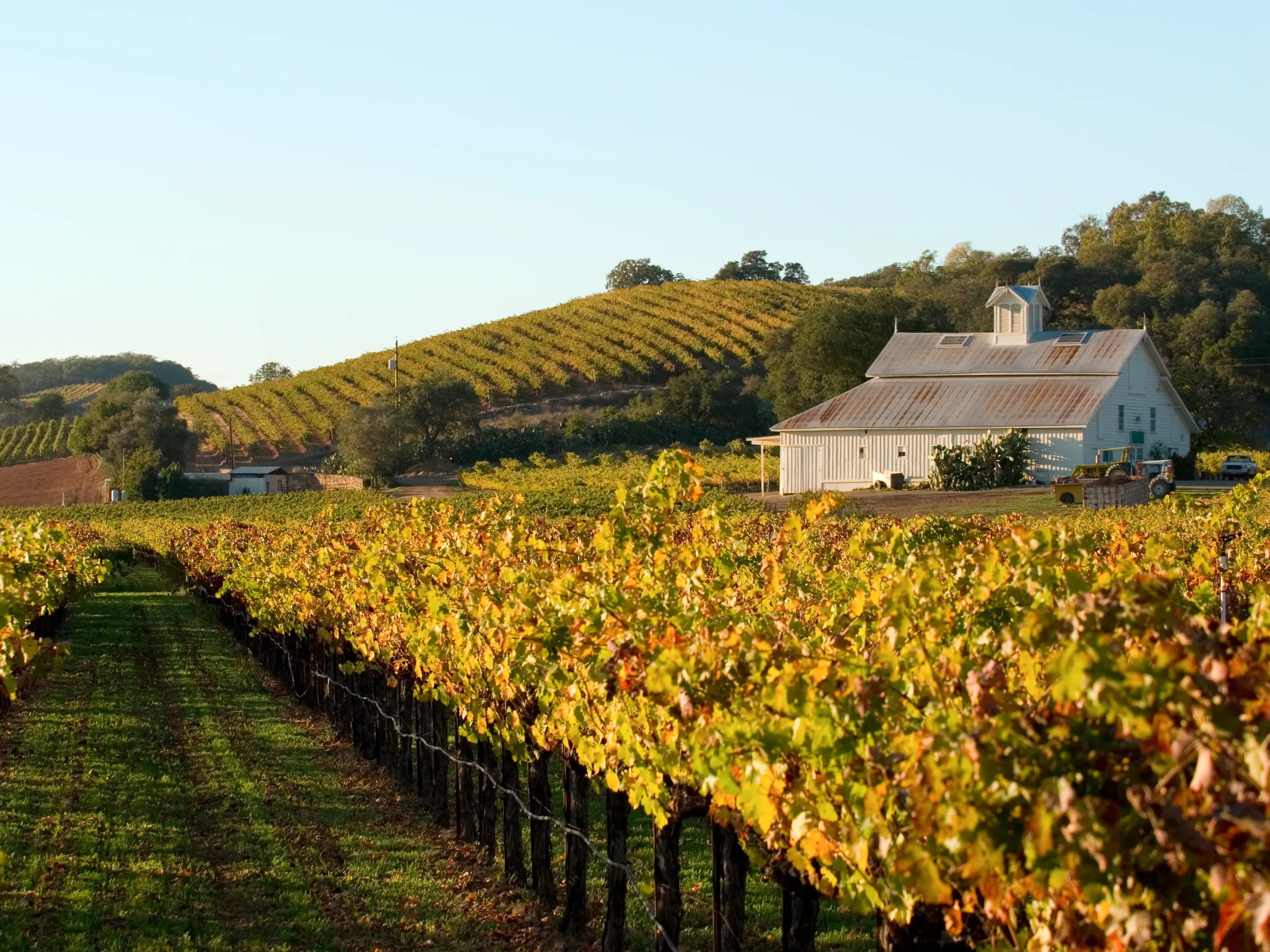
Vineyard removals in California are part of a larger shift in the wine industry, which is facing a structural contraction due to oversupply, falling demand, and rising bulk-wine inventories. Experts at the 13th WIN Expo Trade Show in Santa Rosa revealed that significant removals are expected in the coming years as growers seek to balance supply with market demand. This restructuring is pivotal in the recovery of the industry.
Major Contraction in Wine Grape Production
In 2025, California’s wine grape crush is projected to drop to less than 2.4 million tons, a significant reduction from the previous year’s 2.8 million tons. This shift reflects a long-term restructuring of the state’s wine industry, particularly in regions like Sonoma County and Napa County, where premium wines dominate. Sonoma County is expected to process approximately 150,000 tons of grapes this year, marking a historic low not seen in 30 years.
Vineyard Removals on the Rise
The ongoing vineyard removals are a direct response to these market changes. Data from the California Association of Winegrape Growers shows that over 38,000 acres of vineyards have been removed statewide, representing a 13% reduction in California’s wine grape acreage. This trend is most prominent in Napa County, where 7.38% of the vineyards have been removed, followed by Sonoma County with 4.65%.
As experts predict, these removals may continue through 2026-2027, with growers struggling to reduce excess inventory and align grape production with current demand. Despite this contraction, the overall recovery is expected to take several years, with meaningful improvements projected around 2027.
A Slow Recovery for the Wine Market
The bulk-wine market remains oversaturated, and the challenge of moving excess wine continues to impact producers. Despite a smaller crop, the bulk-wine market remains sluggish, particularly in high-volume varieties like Cabernet Sauvignon. The U.S. wine export market has also faced setbacks, with a significant decline in exports since 2015, exacerbated by global trade disruptions and logistics issues.
As the industry works through these challenges, financial experts at the WIN Expo suggested several survival strategies, including direct-to-consumer sales, better inventory management, and a stronger focus on core customer segments. Only through disciplined operations and a strategic approach will California’s wine industry navigate this structural change.
Despite these hurdles, there is optimism that with the right adjustments, the California wine industry can regain its footing in the coming years, ensuring long-term sustainability and success.