President Donald Trump said he is looking at loosening shipping rules under the Jones Act, telling Fox News in an interview aired Friday that he would “take a look at it” but giving no other details. The Jones Act loosening comments came during a roughly 45-minute interview with Fox News Radio’s “The Brian Kilmeade Show” taped Thursday night. Trump discussed military plans throughout much of the conversation, saying the US military was not yet targeting Iran’s infrastructure or uranium stocks.
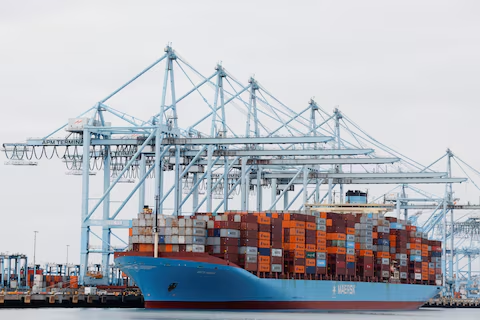
The Jones Act requires goods shipped between US ports to be carried on vessels built, owned, and operated by American citizens or permanent residents. The Jones Act loosening consideration could affect domestic shipping costs and competition. Trump did not specify what changes he might consider or what prompted the review. “We’ll take a look, we’ll take a look at everything, and it’s all going to work out,” he said.
Iran War Context
Trump’s Jones Act loosening comments occurred amid discussion of the ongoing Iran conflict. Asked about any US plans to take Iran’s Kharg Island export hub, Trump said it was not high on the list but that he could change his mind. The Jones Act loosening consideration appears unrelated to military operations but emerged in the same interview covering multiple Iran war topics.
The president has previously used the Jones Act waiver authority during emergencies. Past administrations have temporarily waived requirements following natural disasters or supply disruptions. The Jones Act loosening discussion may signal preparation for potential energy or supply chain impacts from the expanding Middle East conflict.
Shipping Industry Impact
The Jones Act has long faced criticism from some economists and businesses who argue it raises shipping costs and reduces competition. Supporters including maritime unions and domestic shipbuilders defend the law as essential for maintaining US merchant marine capacity. The Jones Act loosening consideration will likely generate strong reactions from both camps.
Any significant changes would require congressional action, though presidents have limited waiver authority. The Jones Act loosening discussion may represent试探水温 rather than concrete policy proposal. Trump’s vague comments provide little indication of specific intent or timeline.
Read Also
[Past Presidential Waivers of Jones Act Requirements](https://www.maritime.dot.gov/ Jones-act-waivers)
Kharg Island Question
Trump’s response on Kharg Island offered insight into current military planning. The facility serves as Iran’s main oil export terminal, handling most of the country’s crude shipments. Striking Kharg would dramatically reduce Iran’s ability to export oil, potentially spiking global prices further. Trump’s statement that it’s “not high on the list” suggests administration currently focusing on other targets.
However, Trump added he could change his mind, leaving open possibility of future strikes. The Jones Act loosening discussion and military targeting questions both touch on energy supply concerns. Disruptions to Iranian exports have already roiled markets, with oil prices near $100 per barrel.
Economic Considerations
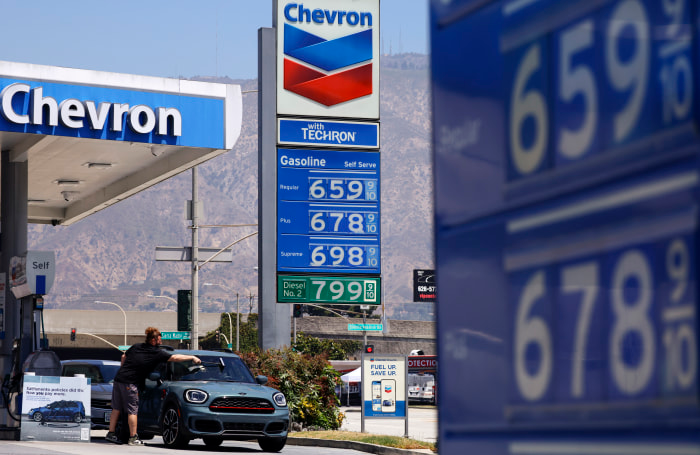
Rising gasoline and diesel prices create political pressure for action. The Jones Act could potentially ease some domestic transportation costs by allowing foreign vessels to operate between US ports. However, impact would likely be modest compared to global oil price movements driven by the Iran war.
Trump faces competing pressures on energy policy. Domestic producers want favorable conditions for increased output. Consumers want relief at the pump. The Jones Act loosening consideration may represent one small piece of broader energy strategy.
Political Reactions
The Jones Act discussion will draw immediate attention from maritime interests. Domestic shipbuilders and maritime unions strongly support the current law and have fought previous efforts to weaken it. Congressional representatives from shipbuilding districts will likely weigh in quickly.
Proponents of reform argue the Jones Act raises costs for consumers and businesses without providing commensurate national security benefits. The Jones Act loosening consideration gives them hope for potential changes after years of stalemate. Whether Trump follows through with actual proposals remains to be seen.
Legal Framework
The Jones Act, formally the Merchant Marine Act of 1920, requires US-flagged vessels for domestic waterborne commerce. Ships must be built in the United States, owned by US citizens, and crewed by US citizens or permanent residents. The Jones Act consideration could target any of these requirements or provide broader waiver authority.
Past waivers have typically been temporary and limited in scope. Permanent changes would require new legislation. Trump’s comments did not specify whether he envisions executive action or legislative proposal.
International Implications
US trading partners have long criticized the Jones Act as protectionist. The Jones Act loosening consideration could improve relations with allies who view the law as trade barrier. However, any significant changes would need to balance domestic political considerations against international benefits.
The Iran war context adds strategic dimension. Allies facing energy disruptions from Middle East conflict might appreciate any US moves to facilitate shipping flexibility. The Jones Act loosening could be framed as response to global supply challenges.
Uncertain Path Forward
Trump’s brief comments provide little clarity on actual policy direction. The Jones Act loosening consideration may never progress beyond discussion stage. Previous administrations have reviewed the law without producing significant changes.
For now, maritime stakeholders will watch for any signs of concrete action. The Jones Act loosening discussion adds one more variable to complex policy landscape shaped by war, energy prices, and election-year politics. Whether anything comes of it depends on presidential priority and congressional response.