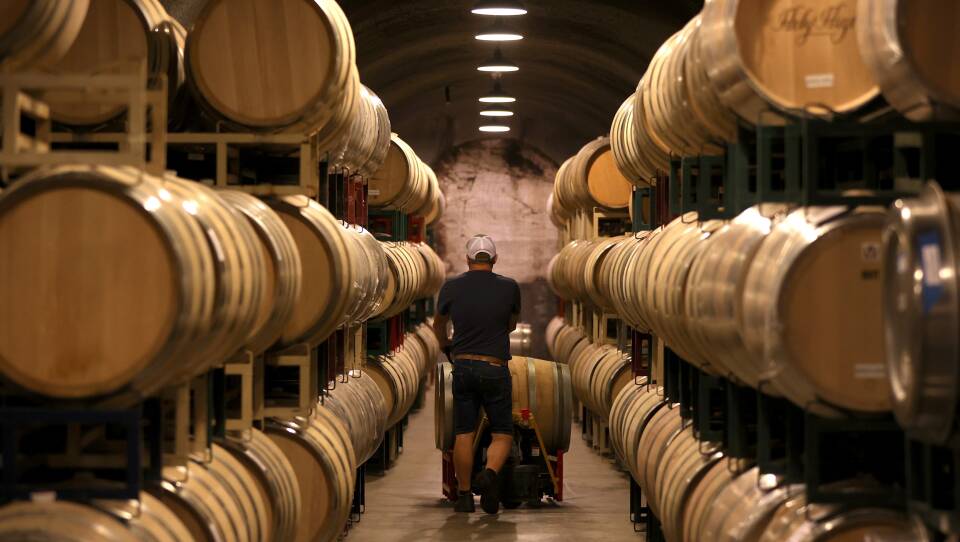
California wine slowdown is creating growing pressure on producers as the industry faces declining demand and shifting consumer behavior. Once a dominant force in global wine markets, California’s wine sector is now navigating a more uncertain economic landscape.
Producers across the region report that business has slowed in recent years, affecting sales volumes and profitability. While the industry remains a major contributor to the U.S. agricultural economy, changing drinking habits and increased competition are reshaping its outlook.
One key factor behind the California wine slowdown is evolving consumer preferences. Younger consumers are drinking less wine compared to previous generations, often choosing alternatives such as spirits, craft beer, or non-alcoholic beverages. This shift is gradually reducing demand in traditional wine markets.
At the same time, global competition has intensified. Wine producers from regions such as South America, Europe, and Australia are expanding their presence, offering competitive pricing and diverse options. This has made it harder for California wineries to maintain market share, especially in export markets.
Economic pressures are also playing a role. Rising production costs, including labor, packaging, and transportation, are squeezing margins for many producers. Inflation and broader economic uncertainty are further affecting consumer spending, leading to reduced purchases of premium wine products.
In addition, climate-related challenges continue to impact vineyard operations. Changing weather patterns, drought conditions, and wildfires have disrupted production cycles in recent years, adding another layer of risk to the industry.
Despite these challenges, some producers are adapting by diversifying their offerings. Many wineries are exploring new product lines, including organic wines, low-alcohol options, and direct-to-consumer sales channels. These strategies aim to align with changing consumer preferences and create new revenue streams.
Technology is also playing a role in helping producers manage costs and improve efficiency. From precision agriculture to digital marketing, wineries are leveraging innovation to remain competitive in a rapidly evolving market.
Looking ahead, the California wine slowdown highlights the need for strategic adaptation. Producers must balance tradition with innovation while responding to global trends and economic realities.
Ultimately, the industry’s future will depend on its ability to evolve. While challenges remain, California’s reputation for quality and its deep-rooted wine culture provide a strong foundation for recovery and long-term resilience.