
In recent years, the growing wealth gap in California has become a focal point of debate. With some of the world’s wealthiest individuals residing in the state, including tech moguls, entertainment tycoons, and investors, the question of how to ensure equitable taxation has come to the forefront of political discourse. In response, lawmakers have proposed a new billionaire tax, which has sparked significant controversy and raised important questions about its potential impact on both the state and its wealthiest residents.

This article explores the California billionaire tax proposal, outlining what’s at stake for both the state’s economy and its most affluent individuals, and examining how this new tax could shape the future of wealth distribution in California.
1. What is California’s Billionaire Tax Proposal?
California’s billionaire tax proposal is designed to levy a wealth tax on individuals with net worths exceeding $1 billion. This progressive tax targets the state’s richest residents, imposing a tax on their assets — including stocks, real estate, and other forms of wealth. The tax would apply annually, and the state has proposed an initial rate of 1% on assets above the $1 billion threshold, with additional increases for even larger fortunes.
Key Features of the Tax Proposal:
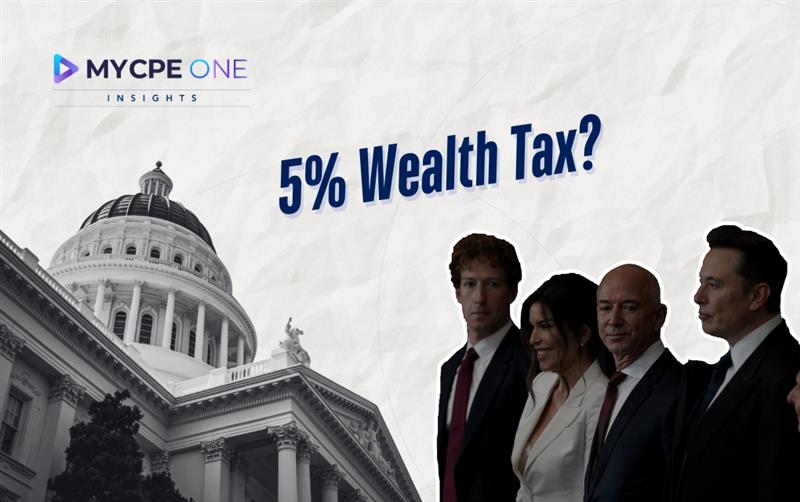
- Net Worth Threshold: The tax would apply to individuals whose net worth exceeds $1 billion.
- Annual Tax on Wealth: The tax is not on income, but on net assets such as stocks, real estate, and business holdings.
- Escalating Rates: For the wealthiest individuals, the tax rate would increase based on the size of their wealth.
This proposed wealth tax is a direct response to the growing economic disparity in California, where a small group of ultra-wealthy individuals hold a significant share of the state’s wealth, while many others struggle with high living costs.
2. Why Is the Billionaire Tax Being Proposed?
The proposed tax is rooted in the desire to address several pressing issues facing the state, including income inequality, the affordability crisis, and underfunded public services. Supporters of the tax argue that it will help fund crucial initiatives in areas like housing, education, healthcare, and infrastructure, all of which are increasingly strained as California’s population continues to grow.
Key Motivations Behind the Tax:
- Wealth Inequality: California is home to some of the world’s wealthiest individuals, yet the state also has a significant number of people living in poverty. The billionaire tax aims to redistribute wealth to benefit public services.
- Funding Public Services: California’s social services, such as public education, healthcare, and affordable housing, are underfunded and could benefit from the revenue generated by the tax.
- Closing the Budget Gap: With the state’s budget deficit in mind, the billionaire tax would help alleviate financial pressures and enable California to invest in infrastructure and address its climate change challenges.
Advocates argue that wealth redistribution will help reduce the state’s growing income gap, promoting economic fairness and ensuring that everyone has access to the same opportunities.
3. The Potential Impact on California’s Wealthiest Residents
For the wealthy elite in California, the billionaire tax proposal represents a significant shift in how their wealth is taxed. Many of these individuals, who include the founders of tech giants like Facebook, Google, and Tesla, have benefited from low taxes on capital gains and unrealized assets. This new tax could dramatically affect their financial situation and their long-term plans.
Potential Effects on Wealthy Individuals:
- Increased Tax Burden: The wealth tax would significantly increase the tax burden on the state’s wealthiest residents, reducing their overall net worth and making California one of the highest-taxed states in the country.
- Impact on Investment Strategies: Wealthy individuals may alter their investment strategies to minimize their tax liabilities. This could include shifting assets out of state, restructuring holdings, or seeking tax havens to avoid the tax.
- Exodus of Wealthy Residents: One of the most commonly cited concerns is that the wealthy elite may choose to leave California for more tax-friendly states, like Texas or Florida, where there is no state income tax. This wealth flight could reduce the state’s overall tax revenue, potentially undermining the purpose of the tax.
The prospect of the billionaire tax has led to some resistance from the state’s wealthiest residents, who argue that such a measure could harm California’s economy by driving out successful entrepreneurs and investors.
4. The Political Divide: Supporters vs. Opponents
The billionaire tax proposal has sparked intense debate, with staunch support from certain progressive factions and fierce opposition from business groups, conservative lawmakers, and the wealthy individuals the tax targets.
Supporters:
- Progressive lawmakers view the tax as a way to address inequality and fund critical public services. They argue that the state’s wealthiest residents should contribute more to support the public good, given the disproportionate wealth they’ve accumulated.
- Social justice advocates see the tax as a way to level the playing field and ensure that everyone, regardless of income, has access to essential services like education, healthcare, and affordable housing.
Opponents:
- Business leaders and wealthy individuals argue that the tax will discourage investment, job creation, and entrepreneurship in California. They believe that the tax will make it more difficult for tech startups and small businesses to thrive, ultimately hurting the state’s economy.
- Conservative groups claim that the tax is an overreach by the government and that it could set a dangerous precedent for further taxation of private wealth.
5. What’s at Stake for California’s Future?
The billionaire tax proposal in California represents a major economic experiment, with potential far-reaching consequences. On one hand, it could generate significant revenue for public services, reduce wealth inequality, and help fund the state’s ambitious goals for sustainability and climate change mitigation. On the other hand, it risks pushing the wealthiest residents to relocate to states with more favorable tax policies, potentially damaging California’s reputation as a business hub and hurting its long-term economic growth.
Ultimately, the future of the California billionaire tax depends on its implementation and the way the state balances the need for public investment with the concerns of its wealthiest residents. If successful, the tax could become a model for other states struggling with wealth inequality. If it leads to an exodus of wealth and talent, it could prompt other states to reconsider similar proposals.
6. Conclusion
California’s billionaire tax proposal is a bold and controversial step towards addressing the state’s growing economic disparities. With the potential to reshape how wealth is distributed and fund crucial public services, it could redefine California’s economic future. However, with the risk of wealth flight and economic disruption, it’s clear that the debate over the billionaire tax will continue to be a major point of contention in the state’s politics.
As the proposal moves forward, it will be crucial for lawmakers, business leaders, and wealthy Californians to engage in dialogue to find a path that supports both social equity and economic growth. The outcome will not only impact California’s future but could also set a precedent for other states grappling with the challenges of wealth inequality.