The US Supreme Court on Monday, November 2, rejected the Trump administration’s emergency request to force California election officials to separate ballots associated with approximately 20,000 people the federal government identified as likely noncitizens.
The decision came hours before the final day of voting in the November 3 midterm elections. No justices publicly dissented, and the court did not explain its reasoning.
The order denied the requested emergency relief. It did not determine the citizenship status of everyone on the federal list or establish that the challenged individuals had voted unlawfully.
Administration Sought to Separate Ballots Pending Verification
The Justice Department wanted California to set aside ballots linked to the flagged individuals until their citizenship could be checked.
Federal officials described the proposal as a temporary safeguard that would still allow eligible voters’ ballots to be counted once verification was complete.
California officials disputed the reliability of the list and warned that separating ballots at such a late stage could prevent eligible citizens from having their votes counted.
The dispute therefore involved both the accuracy of the government’s information and whether courts should order substantial changes to election procedures while voting was already underway.
Supreme Court Decision Followed Lower-Court Rejections
The administration reached the Supreme Court after unsuccessful efforts in the lower courts.
US District Judge David O. Carter had rejected the request, warning that segregating ballots shortly before Election Day could disrupt voting operations and undermine confidence in the process.
A divided three-judge panel of the Ninth Circuit Court of Appeals subsequently declined to grant the requested emergency intervention. The majority included one judge appointed by President Donald Trump and another appointed by President Joe Biden.
The dissenting judge, also a Trump appointee, argued that California’s refusal to separate the ballots risked permitting violations of federal law.
The Supreme Court’s denial left the lower-court position undisturbed for the emergency request.
California Attorney General Rob Bonta welcomed the outcome, describing it as the fourth court setback for the administration’s efforts to obtain emergency restrictions on the state’s ballot handling.
Reliability of the Federal List Came Under Scrutiny
Questions about the underlying data were central to California’s objections.
State officials said the list contained errors and could include eligible voters. During a related hearing, Justice Department attorney Kenneth Kao acknowledged that describing the data as having a high error rate was fair, according to the Associated Press.
Kao said the department was seeking help from local registrars to verify voter eligibility.
Federal prosecutor Bill Essayli, who leads the Justice Department’s Los Angeles office, separately expressed confidence in the government’s findings while acknowledging that the list could contain mistakes.
Those differing assessments did not resolve the status of each person identified. Being flagged by a government database is not itself a finding that someone is ineligible to vote.
Related Cases Addressed Pressure on Election Workers
Separate proceedings examined the administration’s demands on election officials and possible criminal enforcement connected to the list.
US District Judge Trina Thompson had restricted threats to prosecute election workers who allowed potentially ineligible individuals to cast ballots. On Monday, she expanded her order to require advance notice of criminal investigations or prosecutions involving the government’s noncitizen list.
In Washington, Chief Judge James Boasberg also found that the administration’s last-minute demands likely violated the Constitution’s Elections Clause.
However, in a separate case, Boasberg declined to issue another order sought by Democratic groups, finding that they lacked legal standing and that other litigation had already addressed the issue.
These were distinct proceedings with different parties and legal questions. They did not amount to a single ruling resolving every dispute over voter eligibility.
Millions of Californians Had Already Returned Ballots
California’s voting process had been underway since early October.
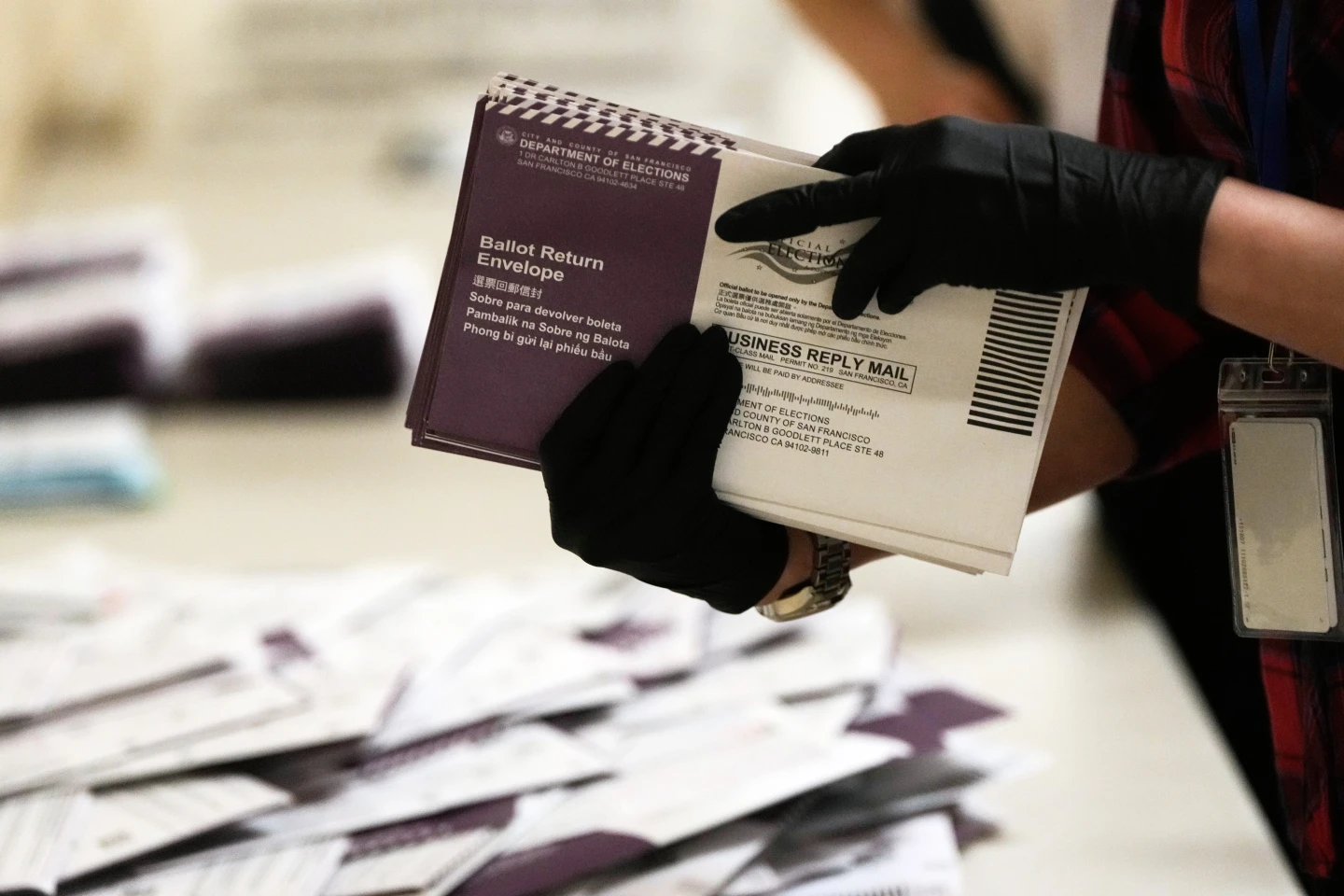
The state mails ballots to its roughly 23 million registered voters, and more than 6 million ballots had been returned by the time described in the AP report.
Election officials said identifying and separating the challenged ballots at that stage would be logistically impossible.
That timing was a major feature of the litigation. Courts were considering a request that could alter the treatment of ballots after voters had already participated and election workers had begun processing returns.
What the Decision Means
The Supreme Court’s action prevented the administration from obtaining the immediate ballot-separation order it sought before Election Day.
It left California’s existing counting procedures in place against that particular emergency challenge, without issuing a detailed opinion on the broader legal dispute.
The distinction is important: the court rejected emergency intervention, while individual eligibility questions and related litigation remained separate matters.
Read Also:Chevron and Microsoft Strike Major West Texas Power Deal