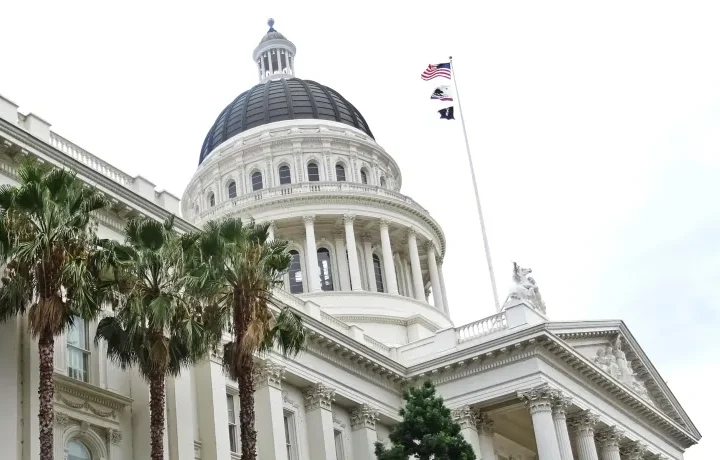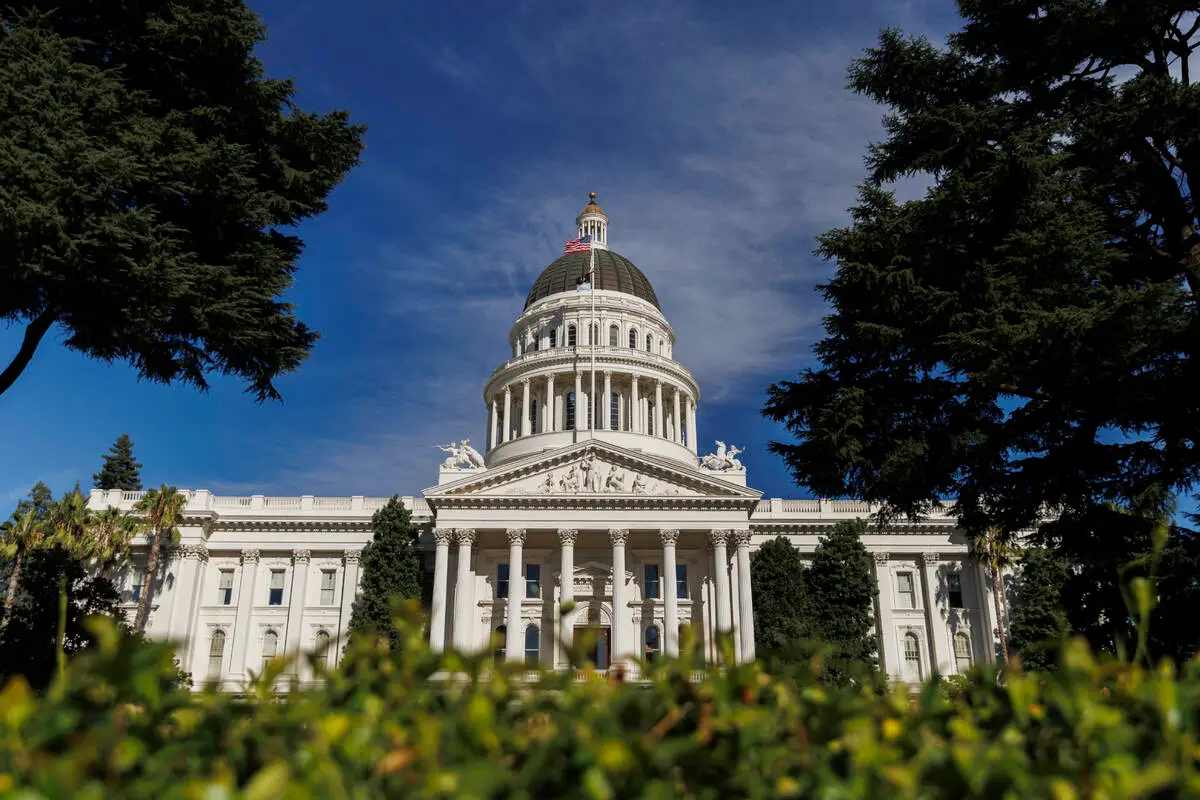
California’s proposed 5% wealth tax, which could appear on the state’s ballot in November 2026, has already begun influencing the migration of high-net-worth individuals out of the Golden State. Although the initiative may not make it onto the ballot, its mere proposal is causing significant capital flight—most notably to Texas, a state with a more favorable tax environment.
California Wealth Tax and Its Economic Impact
In an era where mobility is more accessible than ever, the discussion around California’s retroactive wealth tax has real economic consequences. The proposed measure would target the wealth of billionaires, including assets that may not be easily liquidated, such as stock and real estate holdings. Even though the proposal’s potential enactment date is over a year away, it has already prompted billionaires and major tech figures to relocate, further bolstering Texas’ status as a destination for capital and talent.
Texas, known for its lack of a state income tax, has long attracted individuals seeking lower tax burdens, and the wealth tax proposal only strengthens this trend. According to U-Haul’s annual growth index, Texas reclaimed the title of the #1 U-Haul growth state for the seventh time in 10 years. Meanwhile, California continues to lose residents, ranking last for net domestic migration for the sixth consecutive year.
The Role of Wealthy Californians in the Migration Shift
High-net-worth individuals, including prominent names like Larry Page, Larry Ellison, and David Sacks, have already taken steps to establish residency outside California. Reports show that these individuals, who once considered California their home, are now shifting key business entities to other states like Texas, Florida, and Nevada. Page’s family office, for example, moved its operations to Delaware in late December 2025. These moves, driven by concerns over the wealth tax and a desire for a more tax-friendly environment, underscore the shift in California’s economic landscape.
Texas’ Competitive Advantage
Texas has long been a haven for business and investment due to its low-tax climate. The state’s recent constitutional amendments, including a ban on capital gains taxation, offer further assurance to investors that their assets will remain protected. With no personal income tax and a growing trend of relocating tech companies, Texas is poised to continue benefiting from California’s tax policies, regardless of whether the wealth tax proposal succeeds.
The Debate Over the Wealth Tax
Proponents of the wealth tax argue that it would help close the income inequality gap, but critics, like tech entrepreneur David Friedberg, warn that it essentially amounts to a seizure of private property from citizens who have already paid taxes on their earnings. As Friedberg pointed out, high-net-worth individuals should not be penalized for earning and investing in assets that were already taxed.
While the wealth tax initiative still faces an uncertain future—requiring a substantial number of signatures to even reach the ballot—its impact has already been felt in the form of capital flight. Even if the proposal doesn’t make it to voters or is blocked by lawmakers, the mere proposal of the tax has had real economic consequences, pushing more wealthy Californians to move their assets to states like Texas.
What’s Next for California’s Economy?
Even if the proposed wealth tax fails to pass, the ongoing trend of capital flight from California highlights a growing divide between states that are adapting their tax climates to attract investment and those like California, where high tax rates may drive away wealth. Whether or not the tax makes it to the ballot, Texas stands to gain as more individuals and businesses seek refuge in its lower-tax environment.
The proposed wealth tax in California not only has implications for state policy but is also reshaping the economic landscape, with Texas emerging as a clear beneficiary. As wealthy individuals and tech companies continue to relocate, the future of California’s economy may be influenced by policies that make other states, like Texas, increasingly attractive for investment and residency.