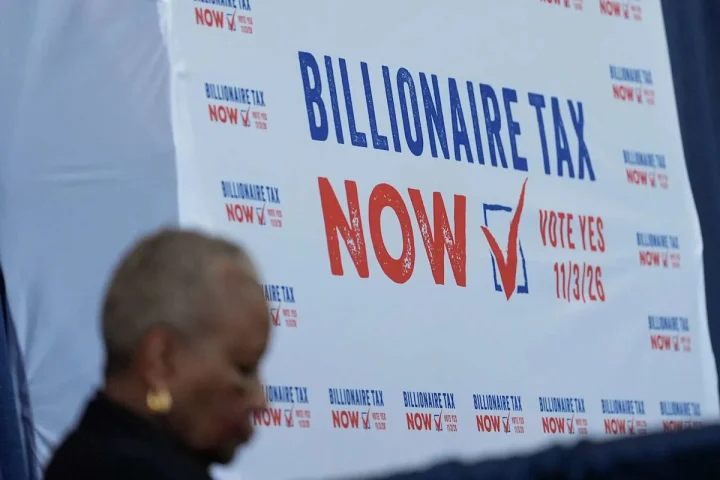
Silicon Valley’s wealthiest residents, including tech giants like Peter Thiel and Palmer Luckey, are once again threatening to leave California due to a proposed state wealth tax. The controversial proposal, backed by labor unions, aims to impose a one-time 5% tax on individuals with assets over $1 billion. As the ballot measure continues to gain traction, tech founders warn it could drive capital and innovation away from the state, fundamentally reshaping its economy.
The California Wealth Tax Proposal
The California wealth tax proposal is designed to generate additional revenue, with supporters arguing that it would help mitigate federal healthcare funding cuts. However, critics — including some of the state’s most influential tech founders — argue that the tax would force them to liquidate significant portions of their companies. Palmer Luckey, co-founder of Anduril, criticized the tax as a major threat to entrepreneurs, claiming it could hurt not just his company, but the broader innovation ecosystem.
The Impact on Tech Entrepreneurs
Many high-net-worth tech founders, including Palantir’s Peter Thiel, could face financial burdens under the new tax if it passes. Thiel, worth around $27.5 billion, could be forced to pay over $1 billion if the proposal goes through. These warnings from Silicon Valley’s leading figures have sparked concerns that a mass exodus of entrepreneurs could further weaken California’s once-dominant tech industry.
A Divided Opinion on California’s Future
While Governor Gavin Newsom has opposed the wealth tax, he downplays the panic surrounding the measure. He suggests it reflects broader national concerns about wealth inequality. However, critics argue that the tax will push the state’s most productive entrepreneurs elsewhere, threatening future job creation and tax revenues.
A Crossroads for California
As the California wealth tax measure progresses, the state faces a crucial decision: Will it continue to pursue ambitious tax policies at the risk of alienating its most successful residents, or will it reconsider its approach to maintaining its role as a tech hub?