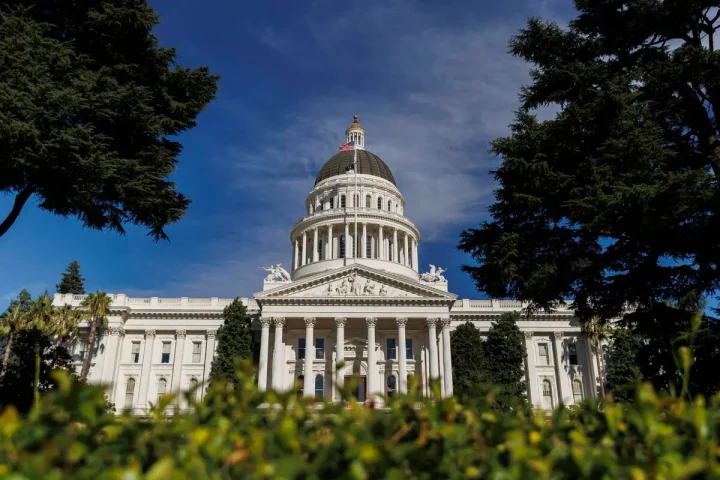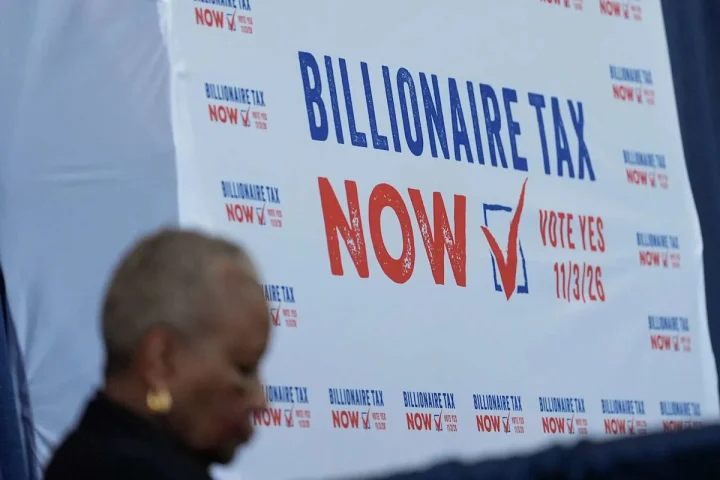
A fierce debate is raging over a proposal to tax billionaires’ wealth in California. The voter initiative aims to impose a one-time levy of up to 5% on fortunes exceeding $1 billion. Supporters, led by the Service Employees International Union (SEIU), estimate it could raise $100 billion over five years for public education, food assistance, and Medi-Cal. This comes as federal budget cuts threaten these critical programs. The measure has ignited a political firestorm, pitting advocates for tax fairness against warnings of a billionaire exodus.
The Case for the Tax: Revenue and Fairness
Proponents argue the tax is a necessary corrective to extreme inequality and federal disinvestment. The funds would directly offset severe cutbacks from the recent federal “One Big Beautiful Bill Act,” which could strip Medi-Cal coverage from 1.6 million Californians. Representative Ro Khanna (D-Fremont) frames it as “a matter of values,” stating, “We believe billionaires can pay a modest wealth tax so working-class Californians have Medicaid.” The tax targets approximately 200 of the state’s wealthiest households, exempting primary real estate and retirement accounts.
Addressing a Skewed Tax System
The push responds to a tax system where the ultra-wealthy often pay lower effective rates. Analysis by economists Emmanuel Saez and Gabriel Zucman shows the 400 richest U.S. households paid an average effective tax rate of 24% from 2018-2020, compared to 30% for the general population. This disparity stems from the preferential treatment of capital gains and strategies like “buy, borrow, die,” where wealth grows untaxed. The wealth tax proposal seeks to capture a fairer share from those whose fortunes have soared while public services fray.
The Opposition’s Arguments: Flight and Unfairness
Critics, including prominent billionaires and venture capitalists, warn of dire economic consequences. They predict a mass exodus of billionaires and their capital from California. Crypto exchange co-founder Jessie Powell argues billionaires would flee, taking their spending, philanthropy, and job creation with them. Venture investor Chamath Palihapitiya claims “$500 billion in wealth has already fled the state.” Even Governor Gavin Newsom has expressed skepticism, noting the practical challenge of one state acting alone when the wealthy can relocate.
The Legitimacy of “Tax Flight” Concerns
The threat of relocation is the opposition’s central argument. However, proponents counter this. The initiative’s design includes a key date: it applies to residents as of January 1, 2026, based on their worldwide assets. Economist Gabriel Zucman notes this makes avoidance by leaving “impossible” for those who haven’t already established residency elsewhere. Furthermore, studies, including a 2016 analysis of IRS data, suggest elite taxpayers are less likely to move for tax reasons than commonly assumed.
Surprising Allies and Historical Context
The debate features unexpected voices. Notably, Nvidia CEO Jensen Huang expressed indifference to the proposal, stating, “I’m perfectly fine with it.” Perhaps more surprisingly, a 2000 quote from Donald Trump resurfaced, in which he advocated a one-time wealth tax, predicting, “The rich will scream… Notice that the people making such objections would have something personal to lose.” This historical footnote underscores how the politics of taxing extreme wealth can defy partisan expectations.
Learning from Global Precedents
Wealth taxes have a mixed global record. Twelve European nations had them in 1995, but eight have since repealed them, often due to capital flight concerns and administrative complexity. They remain in places like Switzerland, Norway, and Spain. The California proposal is distinct—a one-time levy rather than an annual tax—which its backers hope will mitigate enforcement challenges and deflection risks. For deeper analysis on tax policy, the Tax Policy Center offers extensive resources.
The Path Forward and Broader Implications
To reach the November ballot, supporters must gather nearly 875,000 signatures by June 24. The opposition campaign, “Stop the Squeeze,” is already fundraising. Regardless of the outcome, the initiative has shifted the Overton window, forcing a public conversation about how to tax extreme wealth in an era of gaping inequality. It highlights the tension between state-level action and the need for a coordinated federal approach to prevent a race to the bottom on taxing capital.
A Defining Debate on Equity
The proposal to tax billionaires’ wealth in California is more than a budget fix; it’s a referendum on equity and the social contract. It tests whether a state renowned for generating vast fortunes can also ensure those fortunes contribute to the common good. While the risks of capital flight are real, the moral and economic case for capturing a share of concentrated wealth to fund foundational services is powerful. The coming campaign will reveal whether California voters believe that in a state of great opportunity, there should also be great responsibility.