California’s rental market continues to be one of the most dynamic and challenging in the United States as the state enters 2026. After years of high demand and limited housing supply driving up rents, renters and landlords alike are adjusting to evolving laws, local policies, and economic pressures that will shape rent increases this year. Understanding what to expect can help tenants protect their rights and landlords ensure compliance with state and local rules.
Current Rental Increase Caps and Laws
Under California’s statewide Tenant Protection Act (AB 1482), most residential tenants see limits on how much their landlord can raise rent each year — generally 5% plus regional inflation, capped at 10%. This statewide rent cap applies until mid-2026, after which new legislative changes could alter the situation.
Even with the state cap in place, many local governments have stronger protections. Cities such as Los Angeles impose their own rent control formulas, often tied to the Consumer Price Index (CPI). For example, under Los Angeles’ Rent Stabilization Ordinance as amended for 2026, allowable rent increases range from a minimum of 1% to a maximum of 4% based on CPI.
In San Francisco, recent permitted annual rent increase percentages are around 1.6%, reflecting tighter local rules designed to curb sharp rent surges.
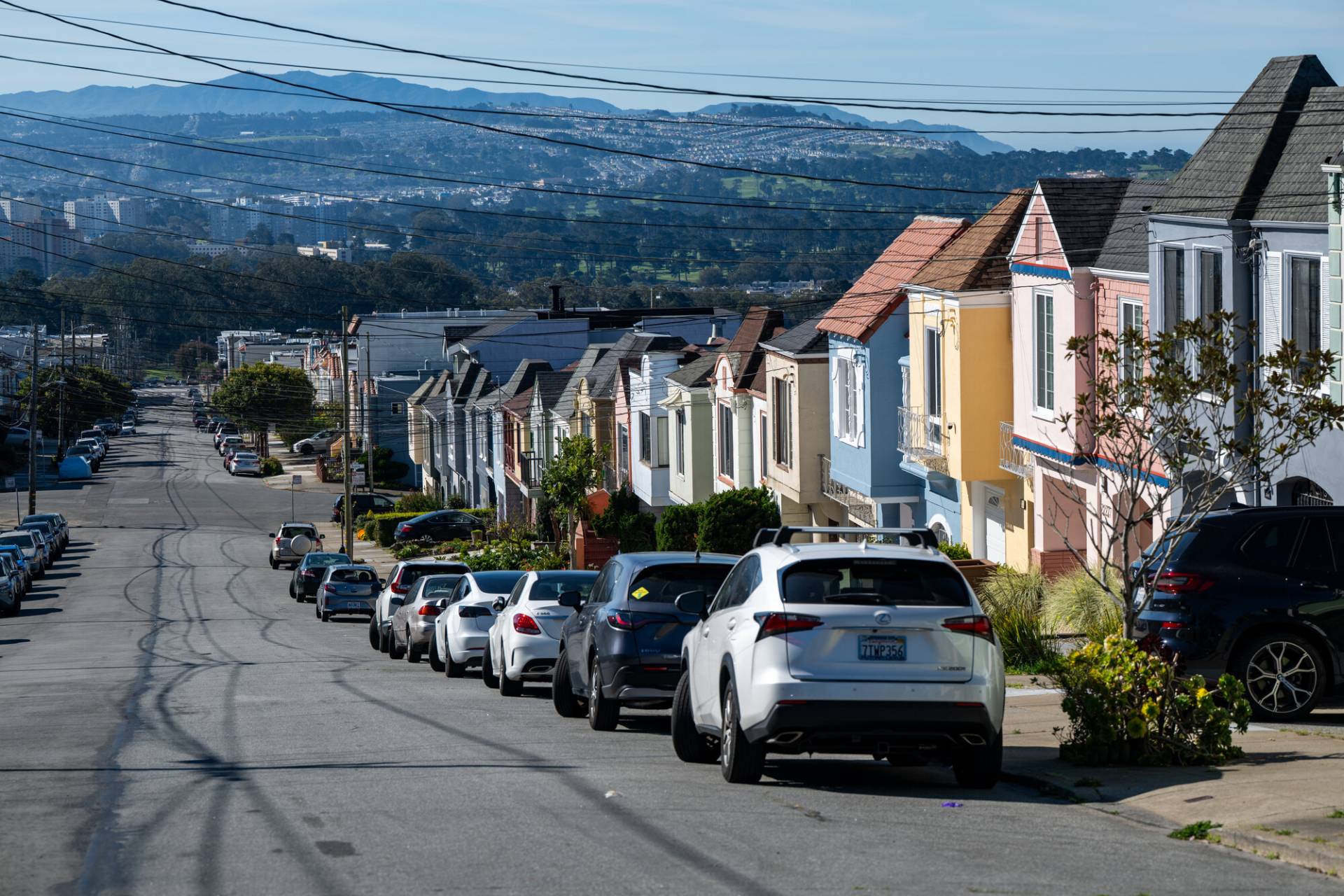
These layered protections mean that renters in different parts of California may experience very different rent trajectories in 2026 depending on their city or county.
Legislative Pushes and Policy Debates in 2026
Despite ongoing efforts to tighten rental protections, some proposed statewide rent control legislation stalled early in 2026. A bill that would have lowered the statewide annual increase cap to 5% and expanded tenant protections into more housing categories failed to pass the Assembly Judiciary Committee.
At the same time, California lawmakers are reviving ambitious housing proposals such as a $10 billion housing bond aimed at increasing the supply of affordable homes — a long‑term strategy that could ease rent pressures if successful.
These debates reflect ongoing tensions: tenant advocates push for more robust rent control and eviction protections, while housing developers and some legislators argue that overly strict caps may discourage investment and worsen supply shortages.
Local Variations and What Renters Can Expect
Los Angeles:
Rent increases under the Los Angeles Rent Stabilization Ordinance will continue to be calculated based on CPI and may fall between 1% and 4% in 2026. Landlords also must provide tenants with a written “Notice of Right to Counsel” if a legal eviction action is filed, enhancing tenant safeguards.
San Francisco:
Rent hikes in parts of San Francisco that are governed by local rent control remain moderate, such as around 1.6% for units covered by the local ordinance, though certain units — like those in federal trust‑run properties — are not covered and have seen increases of up to 10%.
Other cities with rent stabilization programs, such as Santa Ana and Santa Monica, generally adhere to CPI‑linked caps and stringent notice requirements, making it harder for rents to spike abruptly.
Expanded Tenant Protections in 2026
Many of the legislative changes effective at the start of 2026 are not directly about rent amounts, but still influence overall housing affordability and renter stability.
One significant change is AB 628, which requires landlords to provide a working refrigerator and stove in rental units as a baseline habitability standard. This may increase operating costs for landlords but reduces unexpected expenses for tenants.
Other updates enhance security deposit handling and disaster response duties, streamline eviction processes, and increase documentation and disclosure requirements for landlords.
Starting in 2026, landlords must also pay closer attention to expanded disclosure rules and may need to update lease templates to stay compliant with new provisions designed to protect tenants.
Strategies for Renters and Landlords
For Renters:
- Understand which rent cap applies in your city or county — statewide rules may offer weaker protection compared with local ordinances.
- Always ask for written notice of rent increases. Under California law, 30‑day notice is required for increases of 10% or less; 90‑day notice is required for larger hikes.
- Learn your eviction rights — landlords generally cannot evict renters without “just cause” once protections apply.
For Landlords:
- Ensure compliance with local and state rent increase formulas and proper notice periods.
- Prepare for habitability and disclosure requirements such as providing appliances and electronic security deposit return statements.
- Stay informed about evolving laws and ordinances, particularly if you own property in multiple cities with different rent‑control rules.
Conclusion
In 2026, California’s rental landscape will continue to evolve with a mix of moderate rent caps, strong tenant protections in key cities, and legislative efforts aimed at expanding affordable housing supply. While statewide changes may not drastically reduce rent hikes, local ordinances and new habitability laws offer important safeguards for renters. Landlords and tenants should stay informed to navigate rent increases and compliance smoothly in this shifting environment.