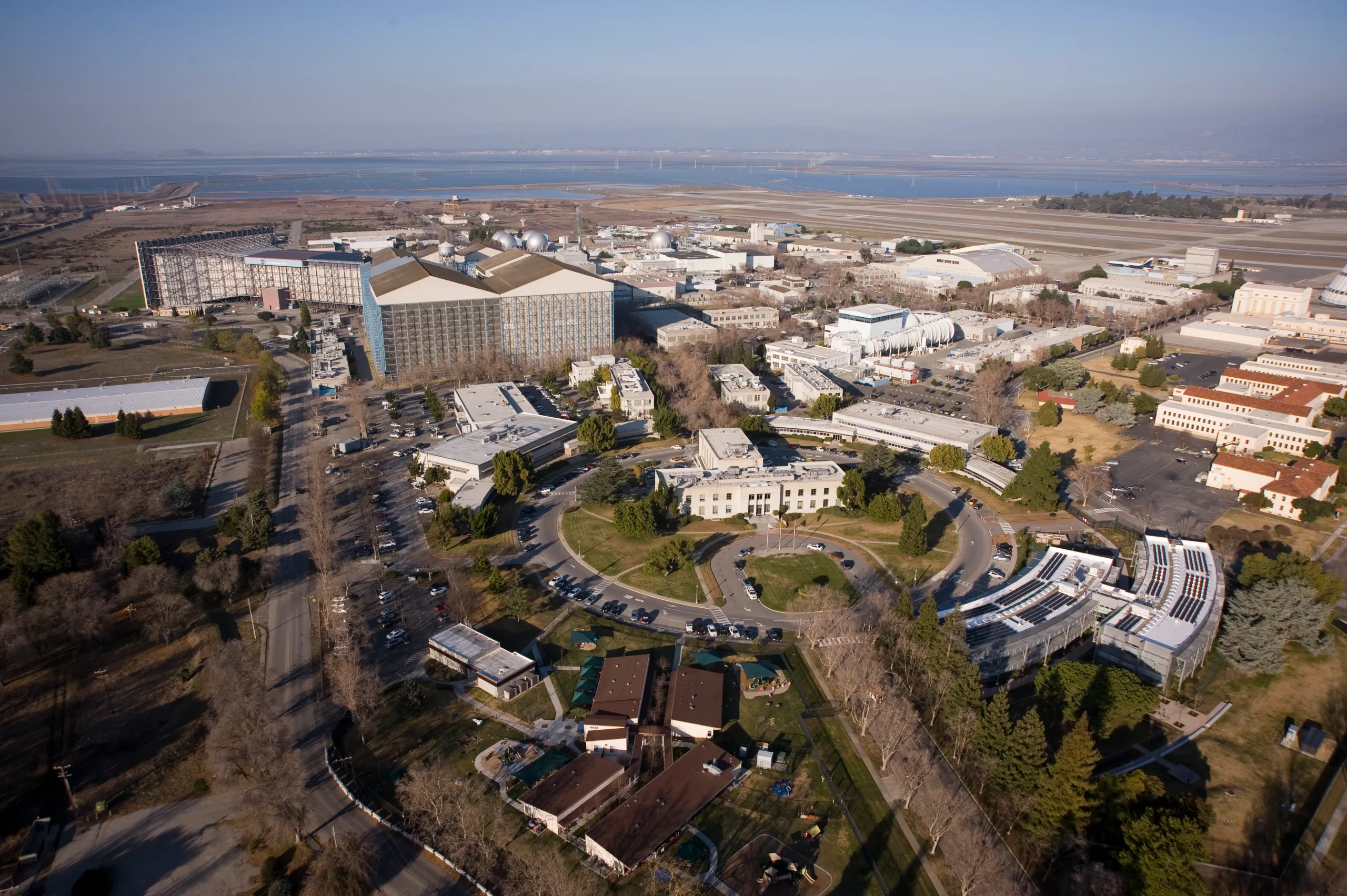
California’s economy continues to be shaped by its strength in advanced technology and high‑productivity industries. As traditional employment sectors face challenges, two key engines of growth stand out: artificial intelligence (AI) and aerospace. These sectors are contributing not only to innovation and global competitiveness, but also to shaping future workforce trends and investment patterns in the Golden States.
AI: Powering Innovation and New Opportunities
California remains at the forefront of AI development, driven by the presence of world‑leading technology companies, venture capital investment, and strong university research programs. Major AI firms, both established and startup‑level, continue to operate and expand in hubs such as Silicon Valley and the Bay Area. AI technology is increasingly integrated across industries—including software, professional services, health tech, and advanced manufacturing—boosting productivity and opening new avenues for economic growth.
The state’s leadership in AI reflects its broader innovation ecosystem, which benefits from a dense network of tech companies, talent pipelines from top universities, and access to venture funding. Nearly 70% of all U.S. venture capital funding in early 2025 went to companies based in California, highlighting the state’s central role in fueling AI innovation.
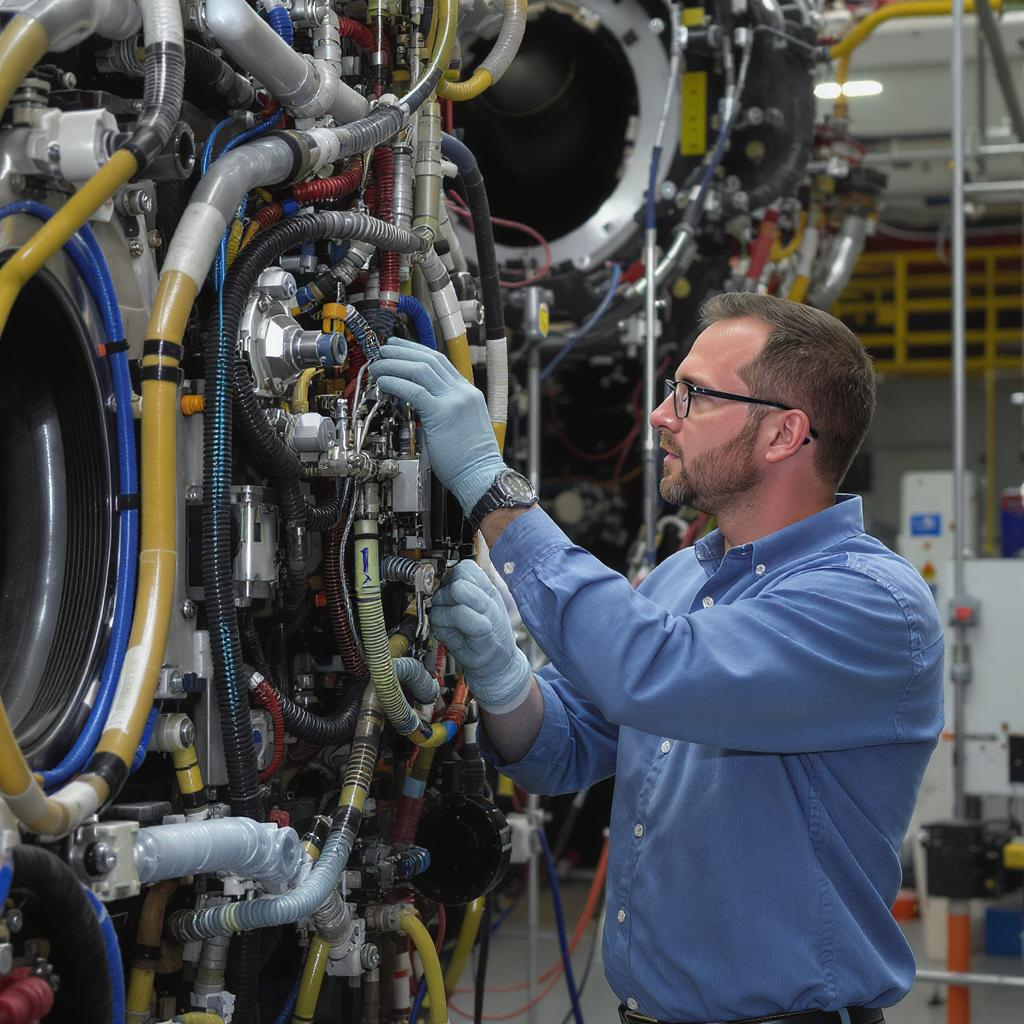
However, the rise of AI also comes with challenges. In some tech sectors, automation has contributed to job displacement, and high‑profile firms continue to restructure or reduce workforce sizes as they pivot toward new business models. These shifts reflect the broader restructuring of the technology labor market, where AI adoption can both create new opportunities and disrupt traditional roles.
Policy efforts and educational initiatives aim to ensure that the California workforce is prepared for the expanding role of AI. Government partnerships with major tech companies are promoting AI education and training across the state to equip students and workers with skills for the jobs of the future.
Aerospace: A Legacy Industry with Renewed Momentum
The aerospace sector has deep roots in California’s economic history and continues to be one of its most substantial contributors to economic activity. The state’s aerospace cluster—which spans defense, commercial spaceflight, aviation manufacturing, and related research—generates significant economic output and supports hundreds of thousands of jobs.
From Southern California’s established aerospace corridor with major players like Boeing and SpaceX, to regional nodes of innovation in advanced systems and defense technology, the aerospace industry supports high‑wage jobs and attracts investment. Industry analysts calculate that California’s aerospace sector generates hundreds of billions of dollars in direct and indirect economic impact while sustaining a broad supply chain of engineers, technicians, and manufacturing specialists.
Companies specializing in autonomous systems and defense‑oriented technology—such as advanced robotics and AI‑assisted manufacturing—highlight the intersection between aerospace and next‑generation digital technologies. Firms like Anduril Industries, which develop autonomous defense systems that incorporate AI, illustrate this cross‑sector innovation.
How AI and Aerospace Converge
The convergence of AI and aerospace is accelerating innovation across product design, manufacturing, and operational processes. AI tools are being used to enhance complex engineering tasks, optimize supply chains, and create smarter autonomous systems within aerospace. Industry research indicates that generative AI and machine learning are transforming traditional aerospace workflows, from digital simulation and component design to predictive maintenance and automated production lines.
These technological synergies provide competitive advantages for California aerospace companies. By combining AI’s capabilities with aerospace expertise, firms can develop advanced systems more efficiently, improve quality control, and reduce production costs. This integration not only strengthens the industry’s global position, but also creates pathways for skilled jobs that blend aerospace engineering with data science and software development.
Economic Contributions and Job Trends
Despite broader challenges in California’s job market—with some sectors experiencing cutbacks or slower growth—the aerospace and AI sectors remain among the brighter spots in terms of employment and investment. Aerospace has added significant job opportunities over recent years, particularly within defense and commercial space technologies.
AI‑related roles also continue to grow, reflecting strong demand for data scientists, machine learning engineers, and AI specialists. Projections from national industry reports suggest that technology professionals in AI and related fields could see robust employment growth as demand for these skills increases across sectors.
These trends underscore how high‑productivity industries such as AI and aerospace can help buffer some of the employment pressures facing the broader economy. While California’s overall unemployment may remain elevated in certain areas, strong growth in strategic sectors helps sustain economic dynamism and opportunity.
Challenges and Considerations
The rapid evolution of AI and aerospace also brings challenges. Workforce displacement due to automation, concerns about equitable access to high‑tech jobs, and ongoing global competition require thoughtful policy and investment in education and training. Efforts to balance technological progress with human capital development are critical to ensuring that economic gains are broadly shared.
Additionally, while these sectors offer growth potential, they account for a concentrated portion of the state’s economic output. Diversifying investment and nurturing complementary sectors such as clean energy, life sciences, and advanced manufacturing may help create a more resilient and inclusive economic future for California.
Looking Ahead
California’s dual leadership in AI and aerospace continues to shape its economic trajectory into 2026 and beyond. By leveraging innovation, research capacities, and strategic investments, the state can strengthen its position as a hub for cutting‑edge technology and high‑value industry. Maintaining this momentum will depend on continued collaboration among government, industry, and educational institutions to ensure that the benefits of growth are felt across the state’s diverse communities.
California’s future growth story will likely be defined by how successfully it harnesses the potential of AI and aerospace to drive innovation, create jobs, and maintain competitiveness in a rapidly changing global economy.