Hollywood is entering a defining moment. After years shaped by streaming disruption, pandemic recovery, labor strikes, and rapid technological change, the global film and television industry is recalibrating its future. By 2026, Hollywood is expected to look more digital, more global, and more data-driven than ever before. Yet, at its core, storytelling remains king.
Industry executives, filmmakers, and analysts increasingly agree that Hollywood’s next chapter will be shaped by a blend of technology, shifting audience behavior, evolving business models, and renewed focus on creative sustainability. Understanding these trends offers a clearer picture of where entertainment is headed.

Streaming Enters a More Mature Phase
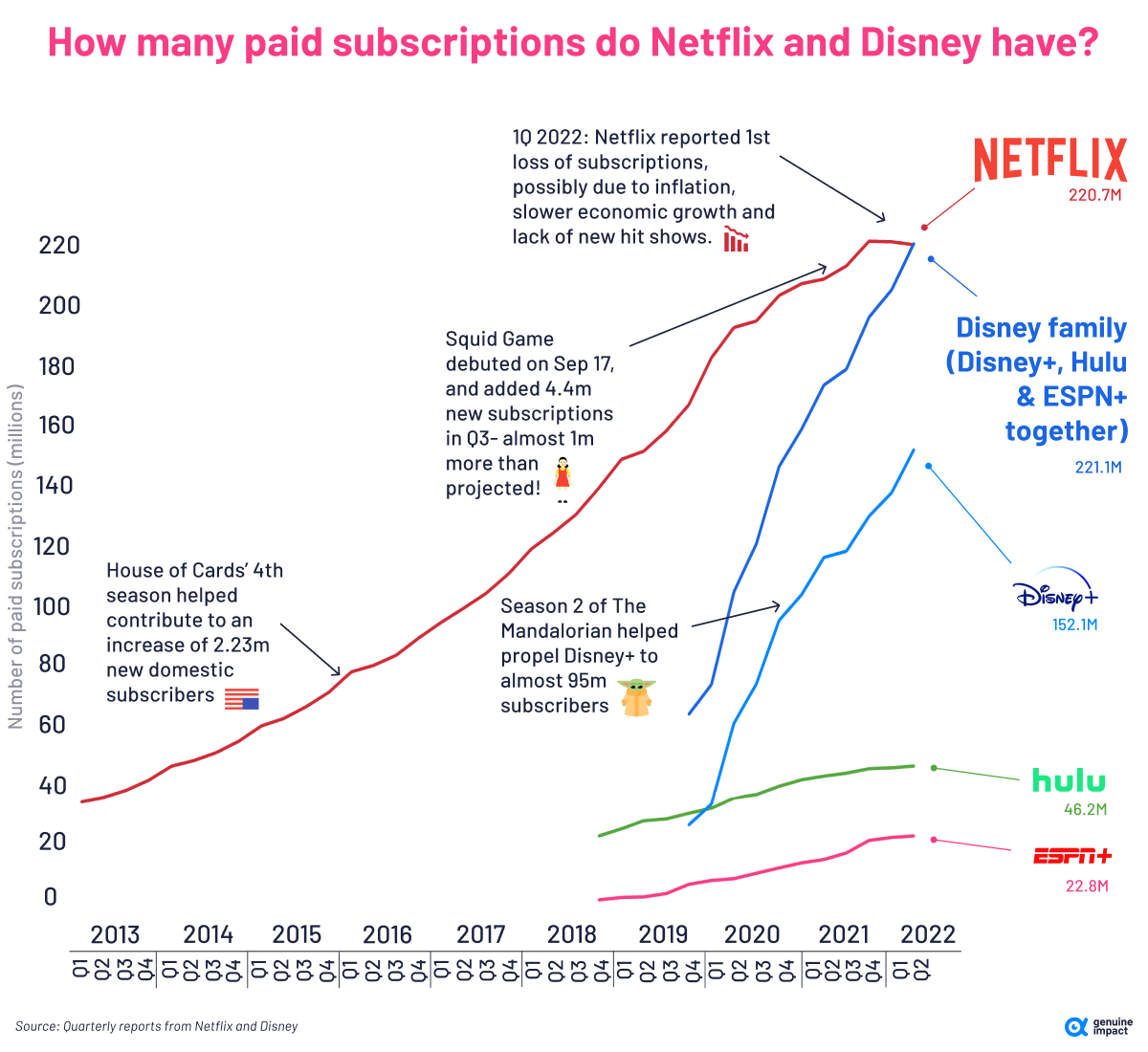
The era of unlimited streaming growth is over. By 2026, streaming platforms are expected to prioritize profitability over subscriber expansion. Major players such as Netflix, Disney, and Warner Bros. Discovery are already scaling back content spending while focusing on fewer, higher-quality releases.
Experts predict that original content volume will decline, but production values and storytelling standards will rise. Franchises and recognizable intellectual property will remain central, but platforms will be more selective. Limited series, event-style releases, and global co-productions are expected to dominate, replacing the previous strategy of constant content drops.
Ad-supported streaming tiers will also expand, blending traditional television advertising models with on-demand viewing. This hybrid approach is projected to become a major revenue driver by 2026.
Theatrical Releases Make a Strategic Comeback
Despite predictions of cinema’s decline, theatrical releases are far from obsolete. Industry analysts forecast that Hollywood in 2026 will embrace a “theater-first” strategy for tentpole films while reserving mid-budget projects for streaming.
Blockbusters, animated features, and franchise films will continue to drive box office revenue, particularly in international markets. Studios recognize that theatrical releases build cultural impact, boost brand value, and extend the long-term profitability of films through downstream streaming and licensing deals.
Cinemas are also adapting by offering premium experiences such as IMAX, luxury seating, and enhanced sound technology. These experiences position theaters as destinations rather than commodities, helping them coexist with streaming rather than compete directly.
Artificial Intelligence Reshapes Production
Artificial intelligence is poised to transform Hollywood workflows by 2026. AI tools are already being used for script analysis, audience forecasting, visual effects, and post-production editing. By 2026, experts expect AI to be deeply embedded across the production pipeline.
Studios will increasingly rely on AI to evaluate scripts, predict audience reception, and optimize release strategies. In visual effects and animation, AI-assisted rendering will reduce production timelines and costs. However, creative control will remain firmly in human hands, especially after industry-wide debates around authorship and labor protections.
AI’s role is expected to be supportive rather than substitutive, enhancing efficiency while preserving the creative core of filmmaking.
Changing Economics of Hollywood Films
The traditional Hollywood budget model is undergoing major revision. In 2026, studios are expected to favor tighter budgets, realistic revenue expectations, and diversified income streams.
Mid-budget films, once squeezed out by blockbusters and micro-budget indies, are likely to return through streaming-backed financing and international partnerships. Studios are increasingly focused on long-tail revenue, including global licensing, merchandising, gaming adaptations, and theme park integration.
This shift reflects a broader industry consensus that sustainability matters more than spectacle alone.
Globalization of Storytelling
Hollywood is no longer purely American in its outlook. By 2026, global audiences will play an even bigger role in shaping content decisions. International box office performance, regional streaming growth, and cross-border co-productions are influencing what gets greenlit.
Studios are investing heavily in local-language productions in Africa, Asia, Latin America, and the Middle East. These projects are not only designed for local markets but increasingly cross over into global viewership.
This global approach reduces reliance on North American audiences and allows Hollywood to tap into fresh narratives, talent pools, and cultural perspectives.
Talent, Labor, and Creative Control
The relationship between studios and talent is evolving. Following recent labor disruptions, industry experts predict that by 2026 there will be clearer frameworks governing residuals, digital rights, and AI usage.
Actors, writers, and directors are pushing for more transparency in streaming performance metrics and fairer compensation models. In response, studios are expected to adopt hybrid compensation structures that combine upfront payments with performance-based bonuses.
Creative autonomy is also gaining renewed importance. Filmmakers with proven track records are likely to secure more control over projects, as studios recognize that distinctive voices drive audience loyalty.
Diversity, Representation, and Authenticity
By 2026, diversity and inclusion will move beyond being industry buzzwords to measurable business strategies. Studios increasingly understand that authentic representation drives audience engagement across global markets.
Films and series reflecting diverse cultures, identities, and experiences are expected to continue gaining prominence. However, industry experts emphasize that success will depend on authenticity rather than performative representation.
Audiences are becoming more discerning, rewarding stories that feel genuine and penalizing those that appear formulaic or opportunistic.
Data-Driven Decision Making
Hollywood in 2026 will be more data-driven than ever. Streaming platforms, social media analytics, and AI forecasting tools provide studios with unprecedented insight into audience behavior.
However, experts caution against overreliance on data. While analytics inform strategy, creative risk-taking remains essential. Some of Hollywood’s most successful films historically defied conventional data predictions.
The balance between intuition and analytics will define which studios thrive in the coming years.
The Future of Franchises
Franchises will continue to dominate Hollywood, but with more restraint. Overexposure has led to audience fatigue in some cases, prompting studios to space out releases and invest more deeply in story quality.
Shared universes will evolve with tighter narrative planning and clearer endpoints. Spin-offs and reboots will be more carefully curated, focusing on long-term brand health rather than short-term gains.
Final Outlook
Predicting Hollywood in 2026 reveals an industry in transition rather than decline. The future points toward smarter spending, global collaboration, ethical technology adoption, and renewed respect for creative talent. Streaming and theaters will coexist, AI will enhance rather than replace creativity, and storytelling will remain the foundation of success.
Hollywood’s ability to adapt has always defined its survival. By 2026, the studios and creators who embrace balance, innovation, and authenticity will shape the next era of global entertainment.