Music festivals have transformed dramatically over the past two decades, evolving from niche cultural gatherings into global entertainment powerhouses. By 2026, festivals are no longer just about live music. They are immersive cultural experiences blending technology, fashion, sustainability, travel, and community. As audiences become more global and digitally connected, festivals are adapting their formats, lineups, and locations to meet changing expectations.
Looking ahead to 2026, the music festival landscape reflects broader shifts in the music industry, audience behavior, and cultural consumption. From mega-events drawing hundreds of thousands of fans to curated boutique festivals focused on specific genres, the evolution of music festivals continues to reshape how artists and audiences connect.
From Genre-Specific to Global Lineups
Historically, music festivals often focused on a single genre, such as rock, jazz, or electronic music. By 2026, most major festivals feature diverse lineups spanning pop, hip-hop, electronic, Afrobeat, Latin music, and alternative genres. This shift reflects the streaming era, where listeners consume music across genres without rigid boundaries.
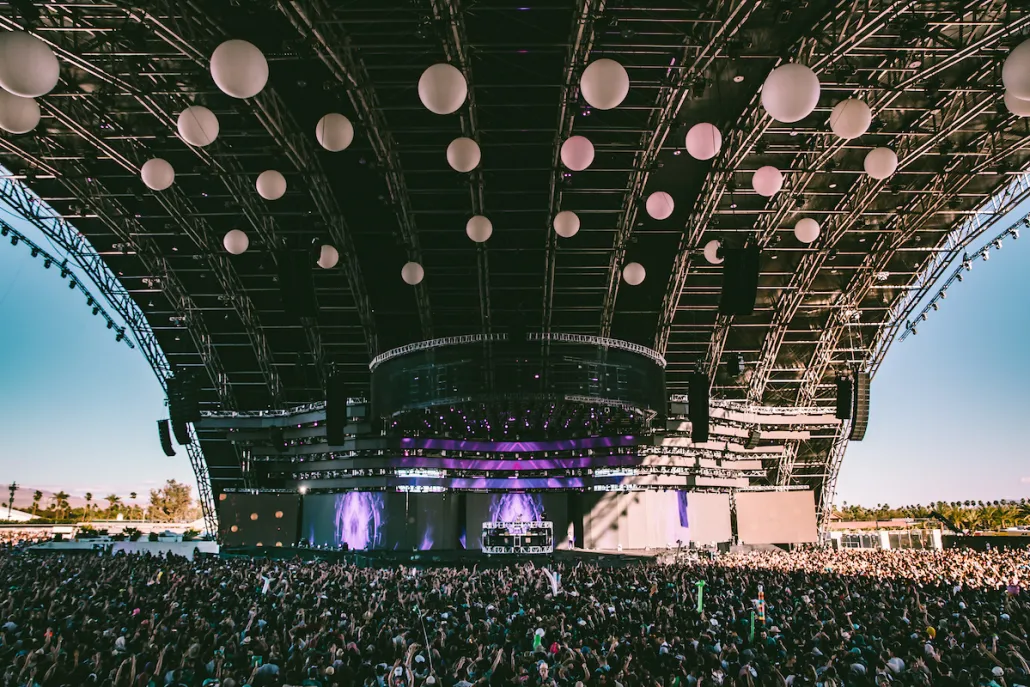
Major global festivals are expected to continue embracing diversity in both sound and representation. Events such as Coachella Valley Music and Arts Festival have already set the standard by mixing global pop stars, underground artists, and international acts on the same bill. In 2026, this model is becoming the norm rather than the exception.
Artists from Africa, Latin America, and Asia are increasingly featured alongside Western headliners, reflecting the global rise of genres like Afrobeats, Amapiano, K-pop, and Latin pop. Festival organizers recognize that global audiences want culturally inclusive lineups that mirror their listening habits.
Technology Redefining the Festival Experience
Technology plays a central role in the modern festival experience. By 2026, cashless payments, facial recognition entry systems, and AI-driven crowd management are standard at large-scale events. Festival apps now offer personalized schedules, real-time updates, and interactive maps that help attendees navigate vast venues.
Live streaming and virtual attendance have also become permanent features. Many festivals offer hybrid experiences, allowing fans who cannot travel to watch performances online. This model expands global reach while creating additional revenue streams for organizers and artists.
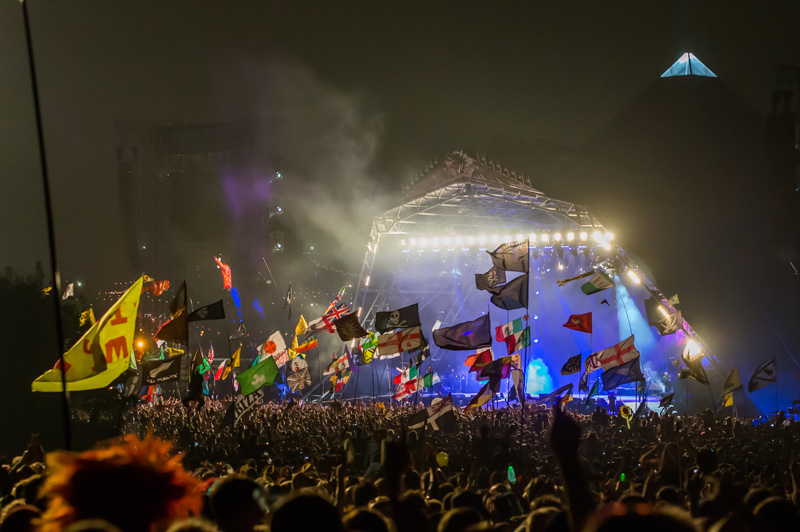
Augmented reality experiences, interactive stages, and immersive visual design are also shaping festival identity. Rather than focusing solely on music, festivals are positioning themselves as multi-sensory experiences.
Sustainability and Ethical Hosting
Environmental sustainability has moved from a marketing angle to a core operational priority. By 2026, festivals face increasing pressure from governments, sponsors, and audiences to reduce environmental impact.
Major events are investing in renewable energy, waste reduction programs, reusable cup systems, and carbon offset initiatives. Festivals such as Glastonbury Festival continue to influence global standards by enforcing strict sustainability policies and encouraging eco-conscious behavior among attendees.
Location choices are also influenced by environmental considerations. Organizers increasingly partner with local authorities to protect ecosystems and support surrounding communities.
Key Global Music Festivals and 2026 Outlook
Several iconic festivals are expected to remain central to the global calendar in 2026, with evolving formats and expanded international appeal.
Tomorrowland remains the world’s most influential electronic music festival. Known for elaborate stage design and storytelling themes, Tomorrowland in 2026 is expected to continue attracting attendees from over 200 countries, reinforcing its reputation as a global destination event.
In North America, Coachella continues to dominate spring festival season, typically held in April in Indio, California. While official 2026 lineups are announced closer to the event, industry insiders expect a mix of global pop icons, genre-defining hip-hop artists, electronic producers, and rising international stars.
In Europe, Glastonbury remains a cultural institution. Held in late June in Somerset, England, its 2026 edition is expected to maintain its tradition of combining legendary headliners with emerging talent across dozens of stages.
Africa’s Growing Festival Scene
Africa’s music festival ecosystem has expanded rapidly, reflecting the continent’s influence on global music trends. By 2026, African festivals are no longer regional events but international destinations.
Festivals such as Afro Nation and Nyege Nyege have demonstrated the global appetite for African music and culture. Organizers are increasingly choosing locations in Ghana, Nigeria, South Africa, Kenya, and Uganda, combining music with tourism experiences.
African festivals emphasize community, cultural exchange, and authenticity. In 2026, lineups are expected to feature Afrobeats, Amapiano, hip-hop, electronic fusion, and traditional influences, attracting both local audiences and international travelers.
Shifting Locations and Destination Festivals
Location has become a defining feature of modern festivals. Beyond traditional urban parks and farmlands, festivals now take place on beaches, deserts, islands, and historic sites. Destination festivals combine music with travel, encouraging attendees to explore new cultures and landscapes.
By 2026, this trend continues as organizers seek unique settings that enhance the overall experience. Festivals are increasingly integrated with local tourism boards, offering packages that include accommodation, transport, and cultural excursions.
Artist-Focused and Boutique Festivals
Alongside mega-festivals, boutique and artist-curated festivals are gaining popularity. These smaller events prioritize curation, atmosphere, and community over scale. In 2026, fans seeking intimate experiences are expected to favor festivals with limited attendance and carefully selected lineups.
Artists themselves are also playing a bigger role in festival creation, using their brands to curate events that reflect their musical identity and values. This shift strengthens the connection between performers and audiences.
Economic and Cultural Impact
Music festivals generate significant economic benefits for host cities and countries. They create jobs, boost tourism, and support local businesses. By 2026, governments increasingly view festivals as strategic cultural assets rather than entertainment luxuries.
At the same time, festivals influence fashion, digital culture, and social trends. Viral performances, stage designs, and artist moments often shape global pop culture conversations long after the events end.
Looking Ahead to 2026
The evolution of music festivals heading into 2026 reflects a broader transformation in how people experience music. Festivals are becoming more global, more inclusive, and more immersive. Lineups reflect the diversity of modern listening habits, while dates and locations are chosen strategically to maximize cultural and economic impact.
As technology, sustainability, and global collaboration continue to shape the industry, music festivals in 2026 are set to remain powerful cultural touchstones, bringing people together across borders through shared experiences and sound.