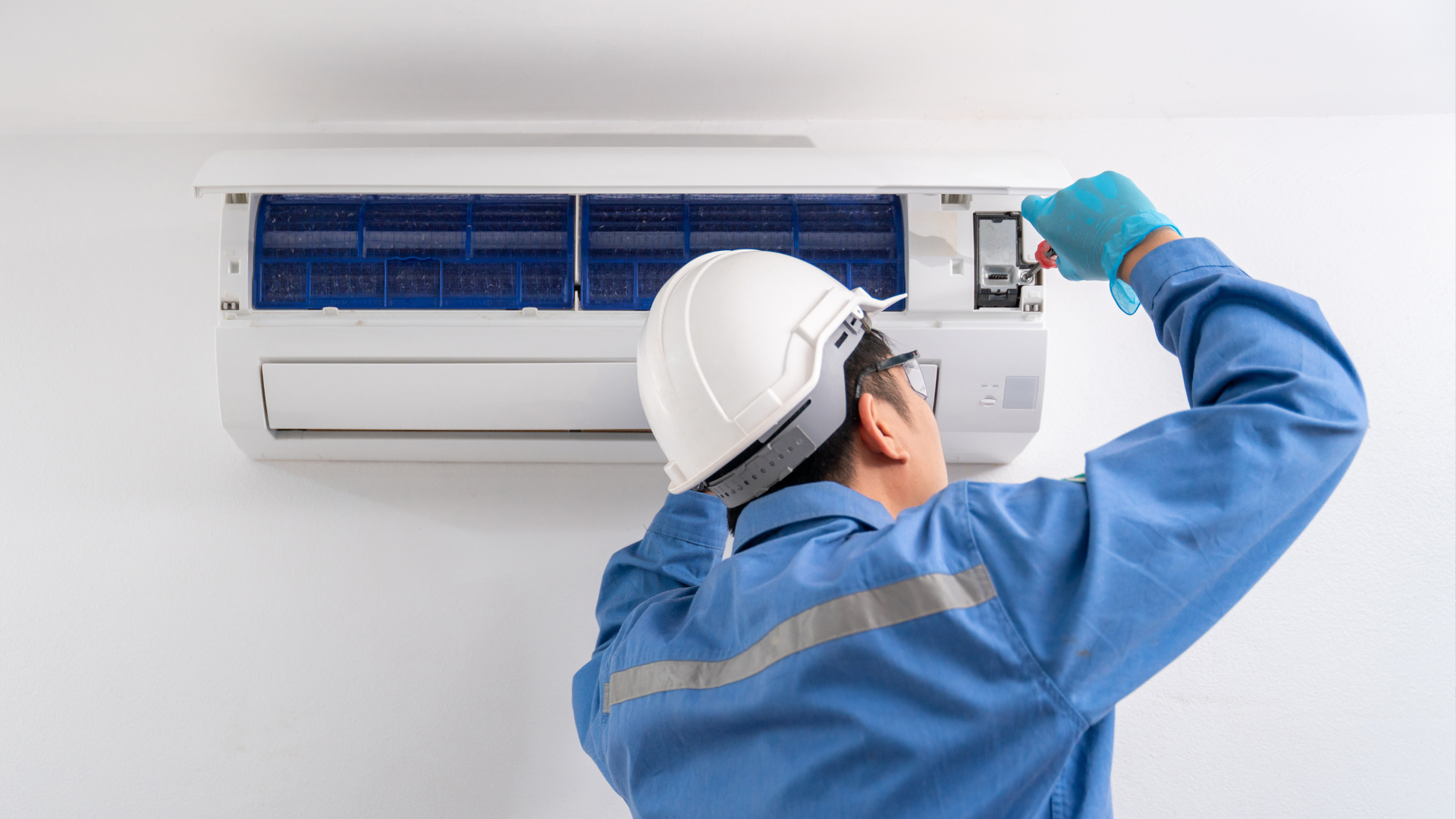
Air conditioners are designed to improve comfort, yet when AC smells drift through your home, comfort quickly turns into concern. These odors are not random. In fact, AC smells act like signals, warning homeowners about moisture problems, airflow issues, biological growth, or even serious safety risks. Understanding AC smells helps you respond early, avoid costly damage, and protect indoor air quality.
Many people notice AC smells for the first time when the system starts after being off for a while. Others detect changes gradually, where the air feels less fresh day by day. Either way, AC smells are rarely harmless. Because air conditioners pull moisture from the air and move large volumes of airflow, any buildup inside the system spreads quickly throughout the home.
AC smells also tend to feel stronger indoors because the system recirculates air. When moisture, dust, and organic material combine inside coils, drain pans, or ducts, the odor does not stay hidden. Instead, it becomes noticeable in every room. That is why AC smells often feel overwhelming even when the source is small.
This guide explains why AC smells happen, what each smell means, and how to decide whether the issue is minor maintenance or an urgent safety concern. By learning the language of AC smells, homeowners gain control, clarity, and peace of mind.
Why AC Smells Develop Inside Cooling Systems
An AC smell almost always means something is building up where air, moisture, and dust meet, sometimes including residue from nearby systems like dryer vents that haven’t had regular dryer vent cleaning.
AC smells almost always begin where moisture, air, and contaminants meet. Air conditioners remove humidity during cooling, and that moisture must drain and dry properly. When it does not, odors develop.
Dust, pollen, pet dander, and organic particles naturally collect inside systems. When these particles stay damp, they break down and release odors. Because the AC distributes air evenly, smells spread quickly through vents and living spaces.
AC smells also develop faster in humid climates or homes with limited airflow. Systems that cycle frequently or run continuously at low power may not dry internal components fully. Over time, lingering moisture becomes the root cause of most AC smells.
Why AC Smells When You Turn It On
If AC smells appear immediately at startup, the odor likely formed while the system was off. During downtime, moisture settles on internal surfaces such as the evaporator coil and drain pan. Dust and organic debris cling to those damp areas.
Once the system turns on, airflow activates the smell instantly. Many homeowners describe this experience as similar to opening a damp room that has been closed for weeks. In most cases, startup AC smells point to moisture sitting inside the unit rather than a sudden new problem.
Musty AC Smells and What They Signal
A musty odor is the most common of all AC smells. It usually indicates excess moisture somewhere inside the system. Mold or mildew may be present on the evaporator coil, inside the drain pan, or along duct insulation.
When AC smells musty, it does not always mean widespread contamination. However, it does mean moisture is not draining or drying as intended. Over time, musty AC smells grow stronger as mold spores spread across damp surfaces.
Ignoring musty AC smells allows odors to settle into filters and ducts, making them harder to remove. Early action often prevents deeper system cleaning later.
Why AC Smells Musty Over Time
When AC smells slowly worsen, a small moisture problem is likely becoming persistent. Dust sticks to damp coils, and insulation absorbs odors. Each cooling cycle adds another layer of contamination.
AC smells that intensify gradually usually indicate moisture remains inside the system even when cooling performance seems normal. This slow buildup explains why musty odors rarely disappear without intervention.
Mildew AC Smells and Active Growth
A mildew smell is stronger and sharper than a basic musty odor. It signals active biological growth inside the system. This happens when moisture combines with organic material on internal components.
Dirty evaporator coils, damp filters, and restricted airflow all contribute to mildew AC smells. Homes in humid regions experience this more often, especially when systems are oversized and cool too quickly.
Once mildew AC smells appear, cleaning affected components becomes essential. Filter changes alone rarely solve the issue.
Damp or Stale AC Smells Explained
When AC air smells damp or stale, airflow and moisture balance are usually off. The system may be recirculating air without enough drying time or fresh exchange.
Short cycling, blocked ducts, or continuous low-power operation can cause this condition. Instead of crisp air, the home feels heavy and humid. Damp AC smells indicate the system is struggling to remove moisture effectively.
Burning AC Smells and Safety Risks
A burning smell from AC systems should never be ignored. These AC smells often point to overheating components, damaged wiring, or failing motors.
If the burning odor smells electrical, plastic-like, or sharp, turn the system off immediately. Continuing to run the unit increases fire risk. Burning AC smells are not comfort issues but safety warnings.
Why AC Smells Like Vinegar or Sour Odors
When AC smells like vinegar, bacteria or chemical reactions are usually involved. Condensate lines can harbor bacterial growth, especially when drainage slows. Dirty coils may also react with moisture and cleaning residues.
Sour AC smells often persist despite filter changes. Professional cleaning of internal surfaces is typically required to eliminate the odor fully.
What Causes Persistent AC Smells Throughout the Home
Almost all AC smells share the same foundation. Contaminants meet moisture and airflow. The contaminants may include dust, mold, bacteria, dead pests, or overheating parts.
The AC system does not create odors on its own. Instead, it spreads what already exists inside it. That is why AC smells often feel stronger indoors than near the unit itself.
Rotten Egg AC Smells and Emergency Situations
When AC smells like rotten eggs, treat the situation as urgent. This odor may indicate a natural gas leak near the system, sulfur-producing bacteria, or a dead animal in ductwork.
If gas is even a possibility, leave the home immediately and contact emergency services or your gas provider. Do not attempt troubleshooting when rotten egg AC smells are present.
How to Identify AC Smells Accurately
Identifying AC smells involves noticing timing, intensity, and pattern. Smells at startup differ from odors that build during operation. Sharp or chemical smells differ from earthy or damp ones.
Pay attention to whether AC smells worsen with humidity, appear in certain rooms, or fade after the system runs. These clues help narrow down the cause and guide next steps.
Charges for Fixing AC Smells
Costs to address AC smells vary based on the cause and severity. Basic maintenance, such as filter replacement or drain line cleaning, often falls within a low service range. More advanced cleaning, including coil treatment or duct sanitation, costs more.
Electrical issues linked to burning AC smells require professional repair and may involve higher charges due to safety risks. Emergency gas-related concerns should always be handled by utility providers or emergency responders.
While exact pricing varies by region and service provider, early attention to AC smells usually reduces overall costs. Delayed action often leads to more extensive cleaning or component replacement.
Preventing AC Smells Before They Start
Preventing AC smells begins with moisture control. Regular filter changes, clear drain lines, and adequate airflow help keep internal components dry.
Routine inspections catch small issues before odors develop. In humid climates, proper system sizing and airflow balance play a major role in preventing damp conditions.
Clean systems smell neutral. When AC smells disappear, it usually means moisture and contaminants are no longer working together inside the unit.
Why Understanding AC Smells Matters
AC smells are not just annoyances. They are messages about system health, indoor air quality, and household safety. Recognizing these messages empowers homeowners to act quickly and wisely.
By learning what AC smells mean, you reduce guesswork, protect your home, and improve comfort. Clean air feels better, smells better, and supports a healthier living environment.