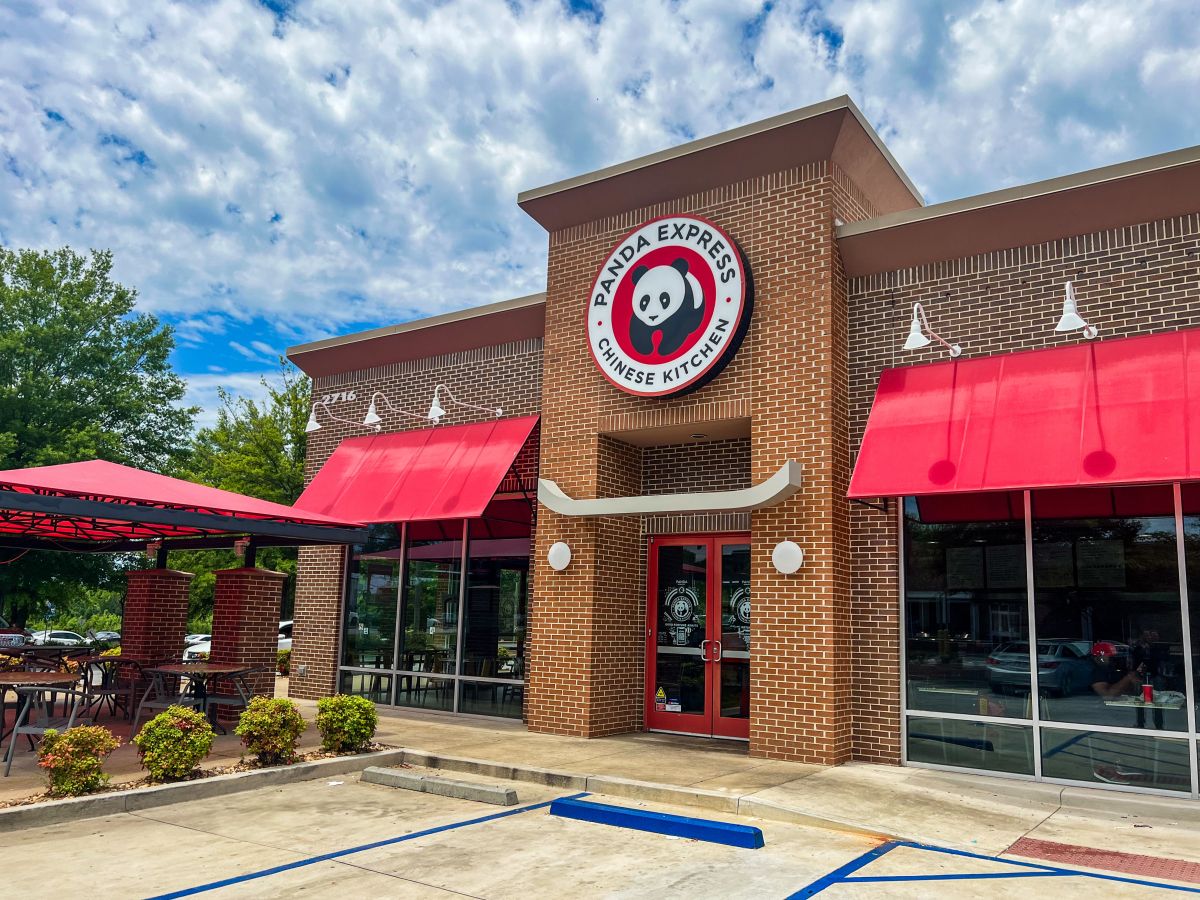
Panda Express, the popular Asian restaurant chain, is under fire for violations related to hazardous materials handling at its California locations. A Stipulated Judgment was reached with the California District Attorneys, including 38 other counties, after allegations of improper CO2 handling in its over 500 locations across the state. The fast-food giant faces significant civil penalties and stricter oversight in response to these violations, which pose serious health risks.
Hazardous Materials Violations and Employee Training Failures
The issue revolves around the handling of carbon dioxide (CO2), which is used in Panda Express locations for carbonated fountain beverages. CO2 can be dangerous if mishandled, potentially displacing oxygen and leading to serious health issues or even fatalities. According to the Stipulated Judgment, Panda Express did not adequately train employees on how to safely handle CO2 and detect potential leaks. This failure to meet legal requirements on hazardous materials safety triggered the lawsuit.
Legal and Financial Consequences for Panda Express
As a result of the violations, Panda Express will pay $881,925 in civil penalties. The company must also contribute $100,000 toward environmental projects and reimburse $75,000 in associated costs. In addition to these financial penalties, Panda Express is required to comply with the California Health and Safety Code for the next five years, ensuring the company adheres to safe CO2 handling practices and reports accurate employee training records.
Steps Taken by Panda Express to Address Violations
Since the violations came to light, Panda Express has taken action to bring its practices in line with state regulations. The company has implemented proper training for employees at all affected locations and updated its training records to ensure full compliance. This commitment to safety and regulatory compliance is crucial to preventing future incidents and ensuring the well-being of employees and customers.
Looking Ahead: Ensuring Safe Practices in the Food Industry
The Panda Express case highlights the importance of properly managing hazardous materials in the food industry. CO2 handling, in particular, poses significant risks if not managed correctly. By taking swift action to rectify the situation, Panda Express aims to prevent further legal issues and protect its reputation. However, it also serves as a reminder to all businesses in the food service industry about the need to adhere to safety regulations and train employees properly to handle hazardous materials.
Panda Express is facing serious legal consequences for mishandling hazardous materials at its California locations. The company has committed to making the necessary changes to comply with safety regulations, but the case highlights the critical need for businesses to ensure safe practices when dealing with hazardous substances like CO2. With heightened legal and financial consequences, companies must prioritize employee training and adhere to regulations to safeguard the health and safety of all involved.