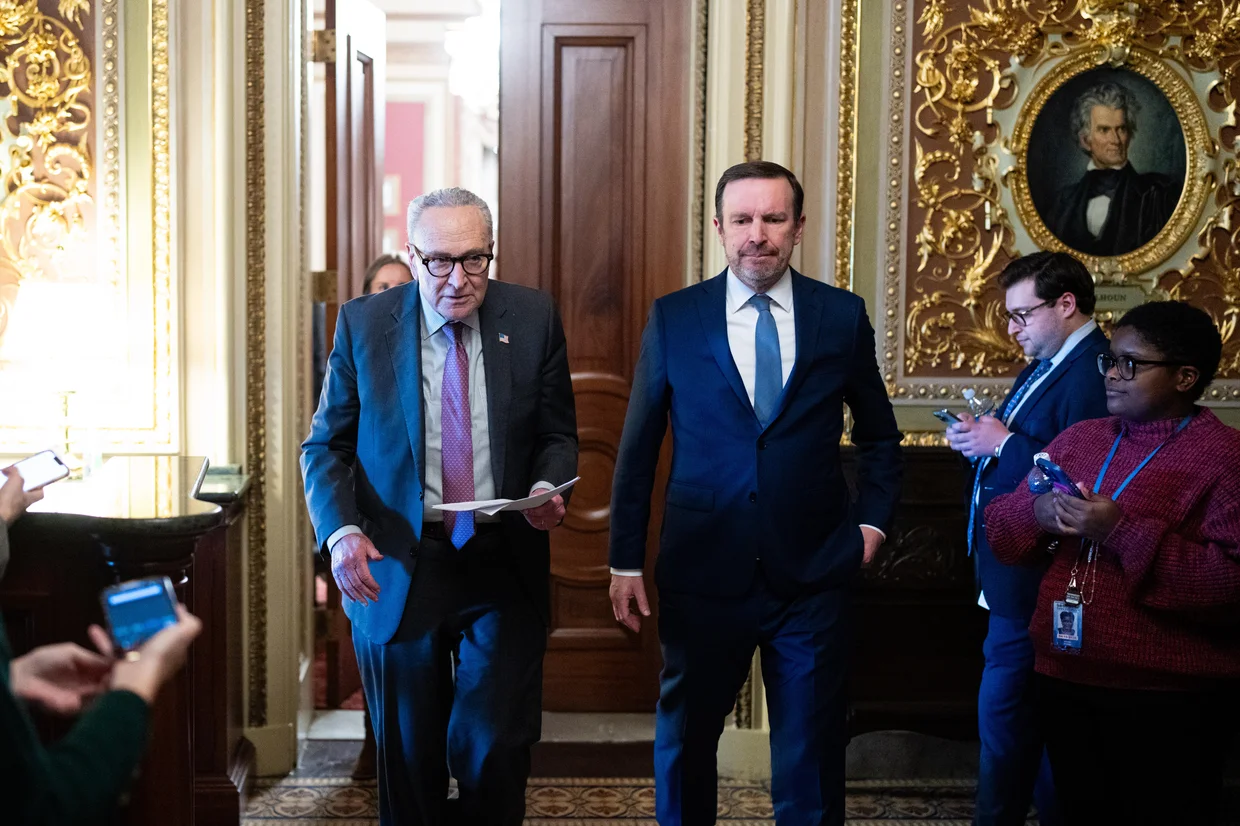
Washington — As next week’s critical vote on Affordable Care Act (ACA) tax credits looms, efforts to reach a bipartisan agreement in the Senate remain stalled. Senate Majority Leader John Thune expressed frustration on Tuesday, stating that there is no clear path forward for either party on the issue. While Democrats are eager to extend the enhanced ACA tax credits, which were central to the recent government shutdown resolution, the Republican side has yet to solidify a unified stance.
A High-Stakes Vote for Affordable Health Care
The Senate is gearing up for a key vote on extending Affordable Care Act tax credits, which are set to expire soon. These tax credits have provided vital support to millions of Americans, helping lower the cost of health insurance premiums for plans purchased through state exchanges. Without an agreement, premiums are expected to skyrocket for many consumers in the new year, adding urgency to the negotiations.
Thune noted that while the discussions are ongoing, the path to a resolution remains unclear. “At this point, I don’t think the Democrats have a clear path forward, and they’re the ones who will need to propose a plan for the vote next week,” he said. The situation leaves little room for error, as any delay or failure to act could significantly impact the affordability of healthcare for Americans.
Democrat-Proposed Solutions and Republican Resistance
Democratic lawmakers, particularly those in the Senate, have already made progress in securing a vote for the ACA tax credit extension. This comes after a deal was struck to end the government shutdown, which included addressing the expiration of these vital credits. Senate Democrats now face the challenge of gaining enough support, potentially crafting a compromise that could earn the necessary 60 votes to move forward.
However, divisions remain within the Democratic Party itself. Some progressives, like Senator Chris Murphy of Connecticut, advocate for a clean, multi-year extension of the tax credits, while others, concerned about garnering enough Republican support, might opt for a shorter-term compromise. Murphy acknowledged that such an extension may face resistance, particularly in a polarized Senate. “We understand that we may not have 13 Republican votes, but we’re willing to find a compromise,” he said.
Meanwhile, the GOP has been caught in a tug-of-war over its strategy. While some Republicans acknowledge the need for a short-term extension of the tax credits to avoid steep premium increases, they remain deeply divided on the specifics. Issues such as the Hyde Amendment, which restricts federal funding for abortions, remain a significant sticking point, with Thune citing it as one of the most challenging obstacles to reaching a deal.
The Debate over Health Care Costs and GOP Proposals
The debate over health care costs has also fueled partisan divisions. Republicans, traditionally opposed to the Affordable Care Act, have argued that the law is a failure. Some members of the GOP, including Senator Bill Cassidy of Louisiana, have proposed alternative solutions that could lower health care costs without extending the ACA’s subsidies. Cassidy’s plan, for example, would allocate funds for Health Savings Accounts (HSAs), which would allow consumers to purchase more affordable bronze-level health insurance plans while using HSA funds for deductibles.
Senator Rick Scott of Florida has also introduced a proposal that focuses on creating new options for consumers to lower their insurance costs, particularly through HSAs. These proposals reflect the GOP’s desire to offer solutions that address health care affordability but differ significantly from the Democrats’ proposed approach to extend ACA subsidies.
On the other hand, Senate Minority Leader Chuck Schumer has called on Republicans to come to the table with a clear plan. He accused the GOP of being in “total disarray,” noting their inability to present a unified strategy. Schumer has emphasized that Democrats remain open to discussions, but only if Republicans are willing to cooperate on measures to lower health care costs.
The White House and Its Role in the Debate
The Biden administration’s role in these negotiations has been pivotal, although not without complications. Reports have suggested that the White House initially pushed for a two-year extension of the ACA tax credits, but GOP opposition to this proposal has led to some wavering. President Biden has also expressed concerns about the cost of extending these credits, preferring alternatives that focus on direct payments to individuals rather than continuing to fund the ACA.
White House National Economic Council Director Kevin Hassett has indicated that a resolution is expected to emerge soon, though he acknowledged that some proposals have been leaked prematurely, complicating negotiations. “We expect people to work this out before Christmas,” Hassett said, adding that both sides have alternative solutions for cost-sharing and subsidy extensions.