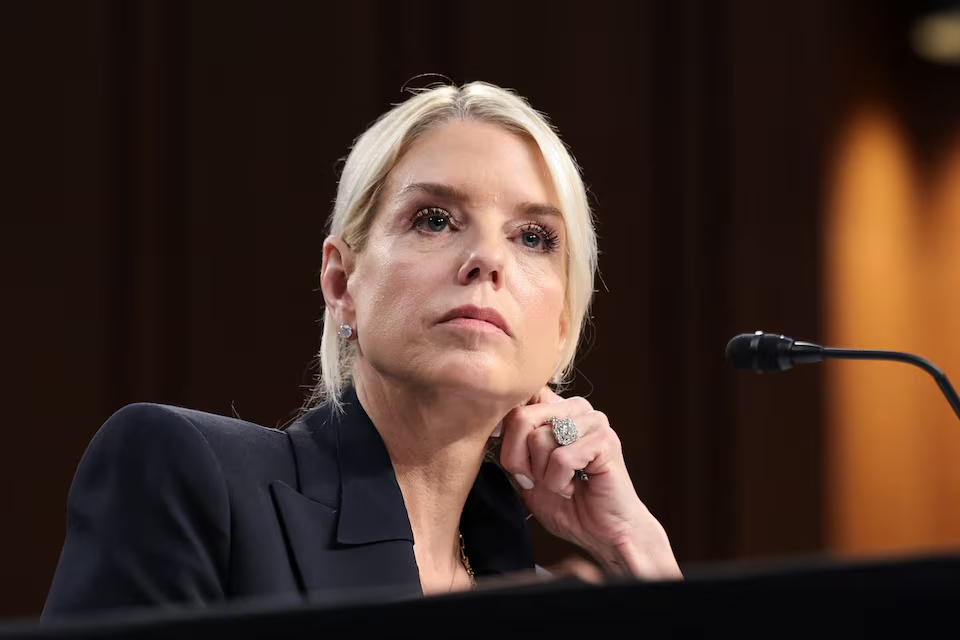
Attorney General Pam Bondi will testify before the House Judiciary Committee on February 11, 2026. Lawmakers plan to question her closely about the Justice Department’s handling of Jeffrey Epstein files. The session comes amid growing frustration over heavy redactions and withheld materials.
Congress passed a law in November 2025 requiring the release of nearly all Epstein-related documents. The measure received near-unanimous support. However, many lawmakers now argue the department has not fully complied.
The Justice Department released what it described as a final batch of more than 3 million pages late last month. That tranche renewed public interest in Epstein’s connections to prominent figures. Epstein, a convicted sex offender, maintained ties with wealthy and influential individuals even after his 2008 conviction for soliciting prostitution from a minor.
Despite the release, complaints focus on excessive redactions. Critics say these go beyond the narrow exemptions allowed under the law. The department has also withheld significant portions, citing attorney-client privilege and other legal protections.
This issue has followed Bondi since she took office under President Donald Trump. Last summer, the department’s initial refusal to release more materials triggered strong backlash. Some of Trump’s online supporters expressed anger, while the decision revived scrutiny of Trump’s past association with Epstein, who died by suicide in 2019 while awaiting trial on federal sex trafficking charges.
The Justice Department maintains it has acted transparently. Officials argue redactions protect victims’ privacy. Yet some victims’ names appeared in the released documents, raising questions about consistency.
Bipartisan Frustration Over Transparency
Lawmakers from both parties have voiced dissatisfaction. Republicans on the committee, which controls the panel, have joined Democrats in pressing for fuller disclosure. The Epstein files remain a sensitive topic that crosses party lines.
Bondi’s testimony offers a chance to defend the department’s approach. She will likely emphasize compliance with the law while explaining necessary protections.
The appearance also allows Bondi to highlight broader leadership priorities. The Justice Department has undergone significant changes to align with Trump’s agenda. This shift has reduced traditional independence in certain investigations.
DOJ Actions Under Scrutiny
The department has pursued cases against Trump’s political opponents. It unsuccessfully tried to prosecute former FBI Director James Comey and New York Attorney General Letitia James. Both officials previously investigated Trump. The DOJ now appeals court rulings that dismissed those cases.
Recent operations have drawn attention as well. FBI agents seized 2020 election ballots in Georgia last month. Investigators cite Trump’s claims of widespread voter fraud, which courts have repeatedly rejected.
Bondi may also address the department’s role in immigration enforcement. The U.S. Attorney’s Office in Minneapolis faces heavy workload pressure. It defends numerous immigration cases and prosecutes individuals accused of obstructing federal agents.
The civil rights division has seen reduced activity. The department declined to investigate the killing of Renee Good by a federal agent. It opened only a limited probe into the fatal shooting of demonstrator Alex Pretti.
Broader Implications for DOJ Credibility
These developments raise questions about the department’s priorities. Critics argue political alignment has overshadowed impartial enforcement. Supporters view the changes as necessary corrections to past perceived biases.
The Epstein files controversy adds another layer. Full transparency could rebuild public trust in some areas. Continued redactions risk fueling skepticism about government openness.
As Bondi prepares for the hearing, she must balance defending legal decisions with addressing congressional concerns. The session will test her ability to navigate partisan tensions while upholding the department’s stated commitment to justice.
Lawmakers expect detailed answers on redaction standards and withheld categories. The outcome could influence perceptions of DOJ independence under the current administration.
The Epstein files case highlights ongoing challenges in balancing victim protection, legal privileges, and public right to know. Bondi’s testimony will provide key insights into how the Justice Department weighs these competing interests in a high-profile matter.